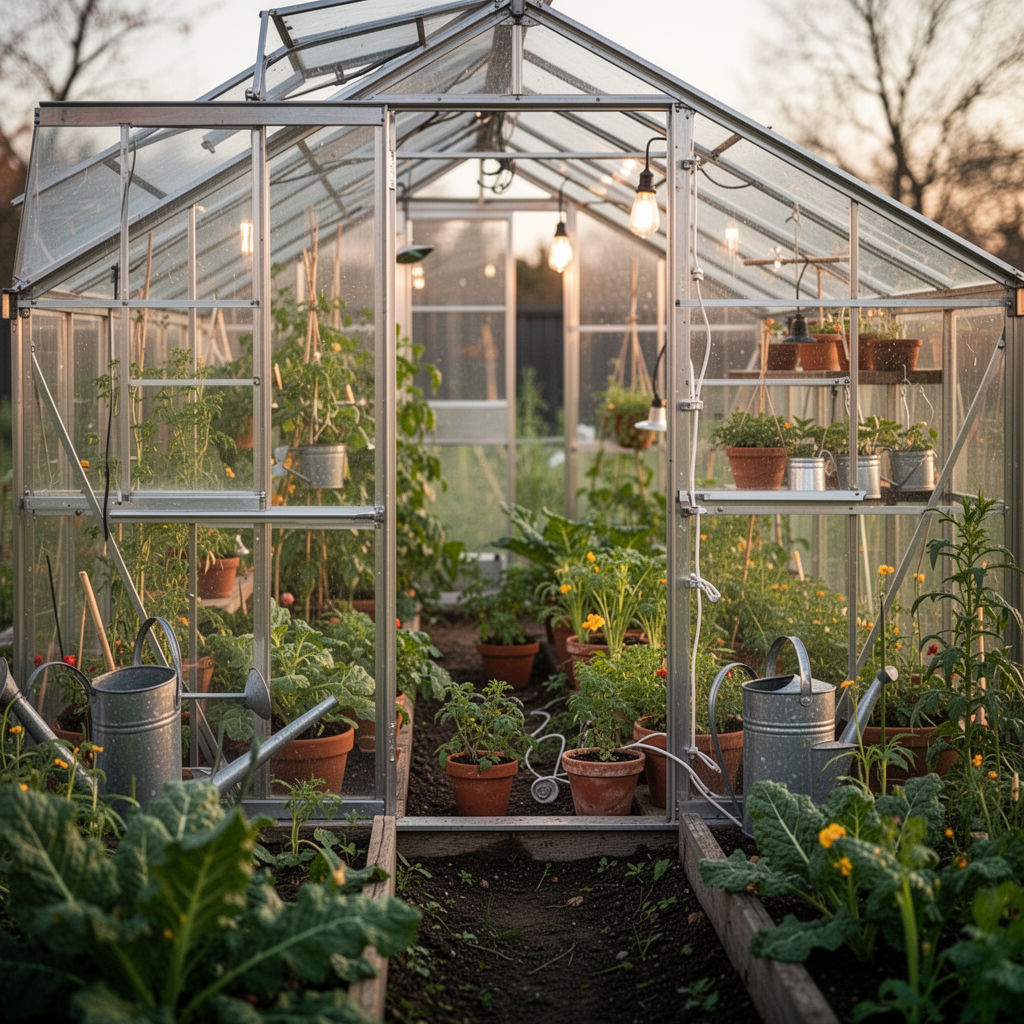
The transition from late autumn into the harsh depths of winter is the most challenging period for any home gardener. While a greenhouse acts as an essential buffer against the elements, the temperature often plummets once the sun goes down, threatening to kill your precious seedlings and overwintering crops. If you lack access to an electrical outlet in your garden, you might feel like you're fighting a losing battle. However, you don't need a grid-tied heating system to keep your plants thriving.
Learning how to keep a small greenhouse warm without electricity is as much about physics as it is about gardening. By utilizing passive solar design, thermal mass, and clever insulation hacks, you can maintain a microclimate that keeps frost at bay. Whether you are building a DIY heater for homeless without electricity—which often relies on simple terracotta principles—or looking for ways to heat a greenhouse in winter for free, this guide will provide the actionable steps you need to extend your growing season well into the New Year.
Why Non-Electric Heating Matters
For many gardeners, the goal is self-sufficiency. Relying on electric heaters not only inflates your utility bill but also leaves your plants vulnerable during power outages. Understanding small greenhouse heating systems that operate independently of the grid ensures that your plants stay safe even when the power fails.
The Physics of Passive Heat
To succeed, you must understand two concepts: heat gain and heat retention.
- Heat Gain: Capturing solar energy during the day.
- Heat Retention: Keeping that warmth trapped inside once the sun sets.
Tools and Materials Required
To master the art of warming your greenhouse, you will need a few basic supplies:
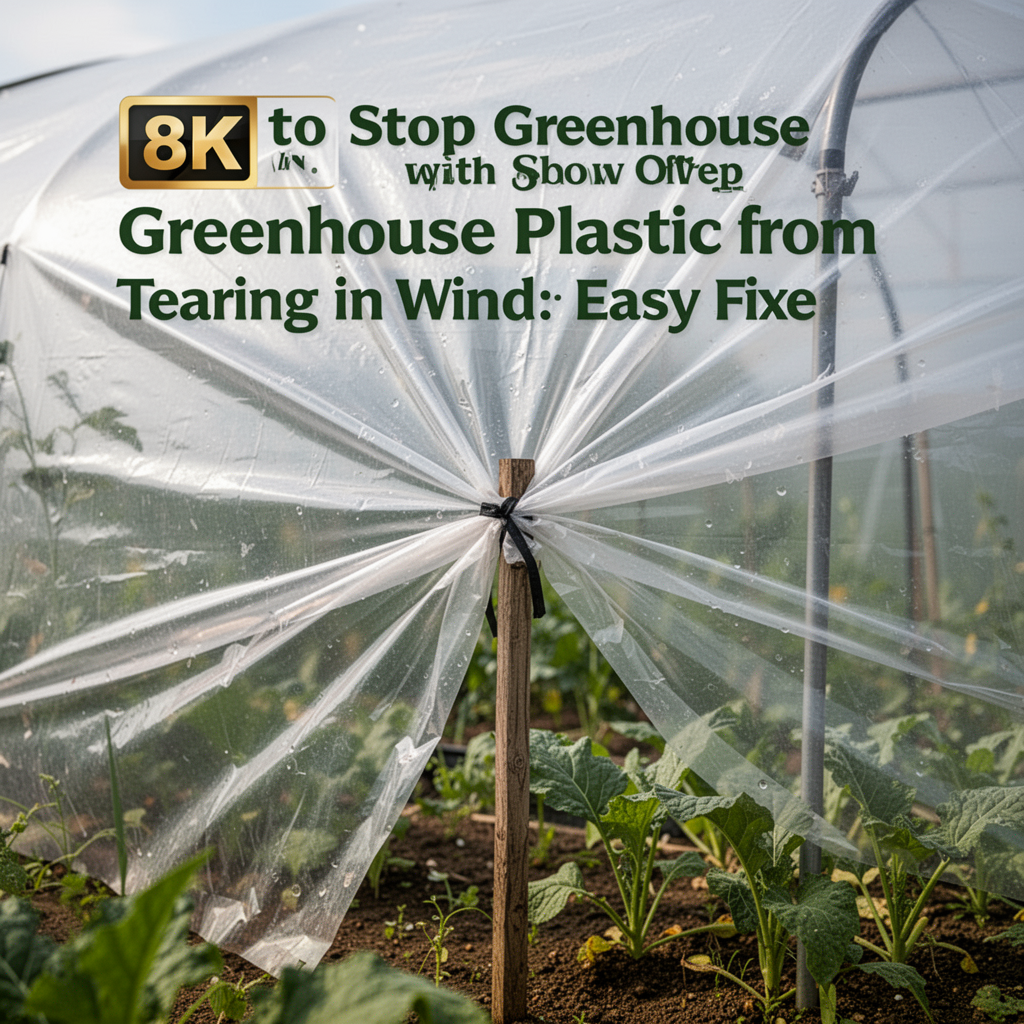
- Clear bubble wrap (UV-treated)
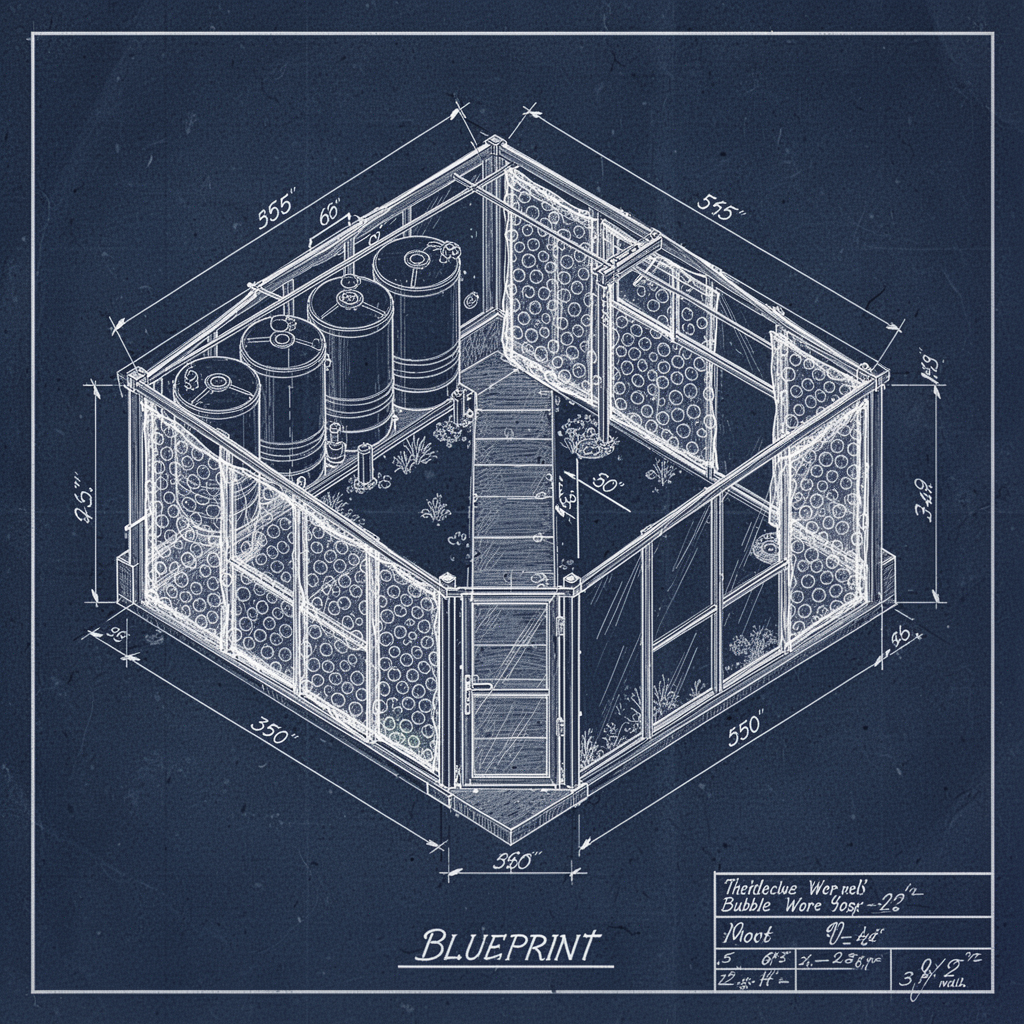
- Black painted 55-gallon drums or large jugs (for thermal mass)
- Terracotta pots and metal trays (for the candle-based DIY heater)
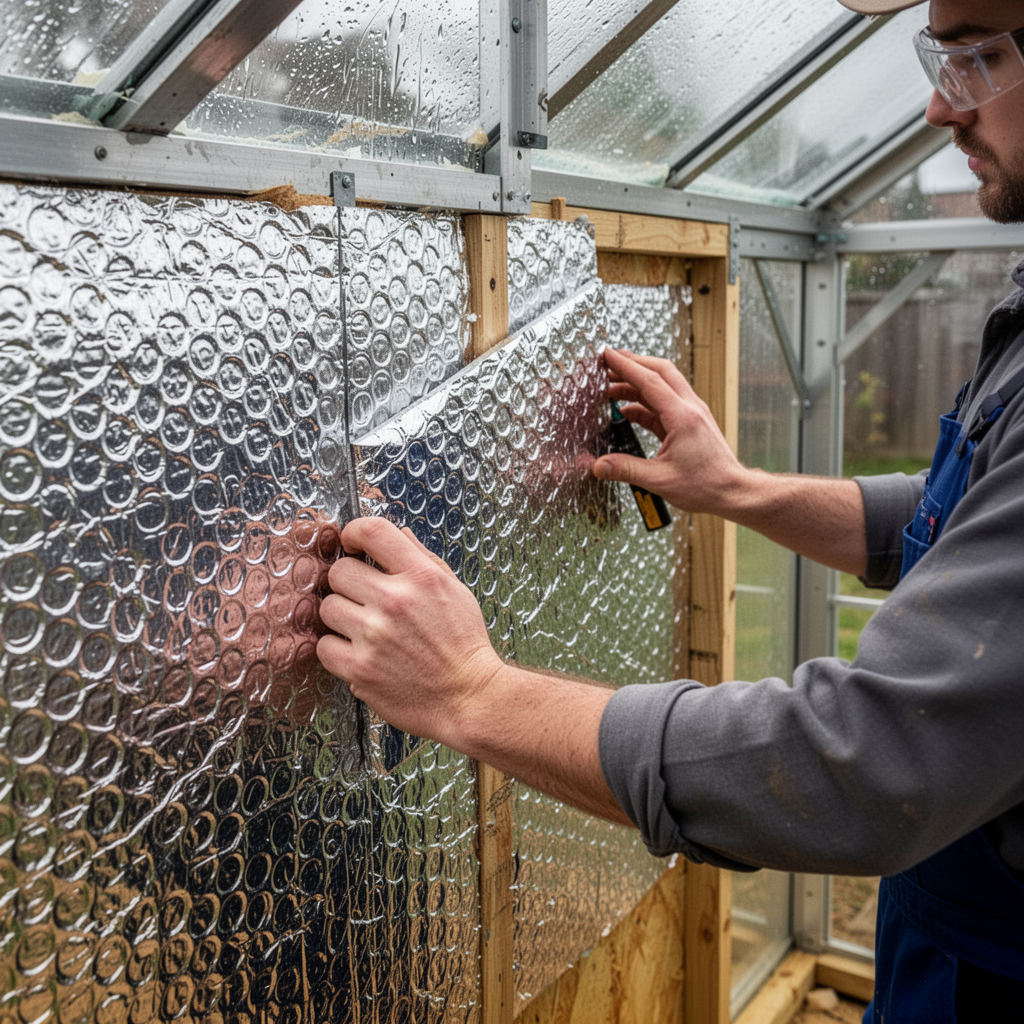
- Reflective insulation boards (Reflectix)
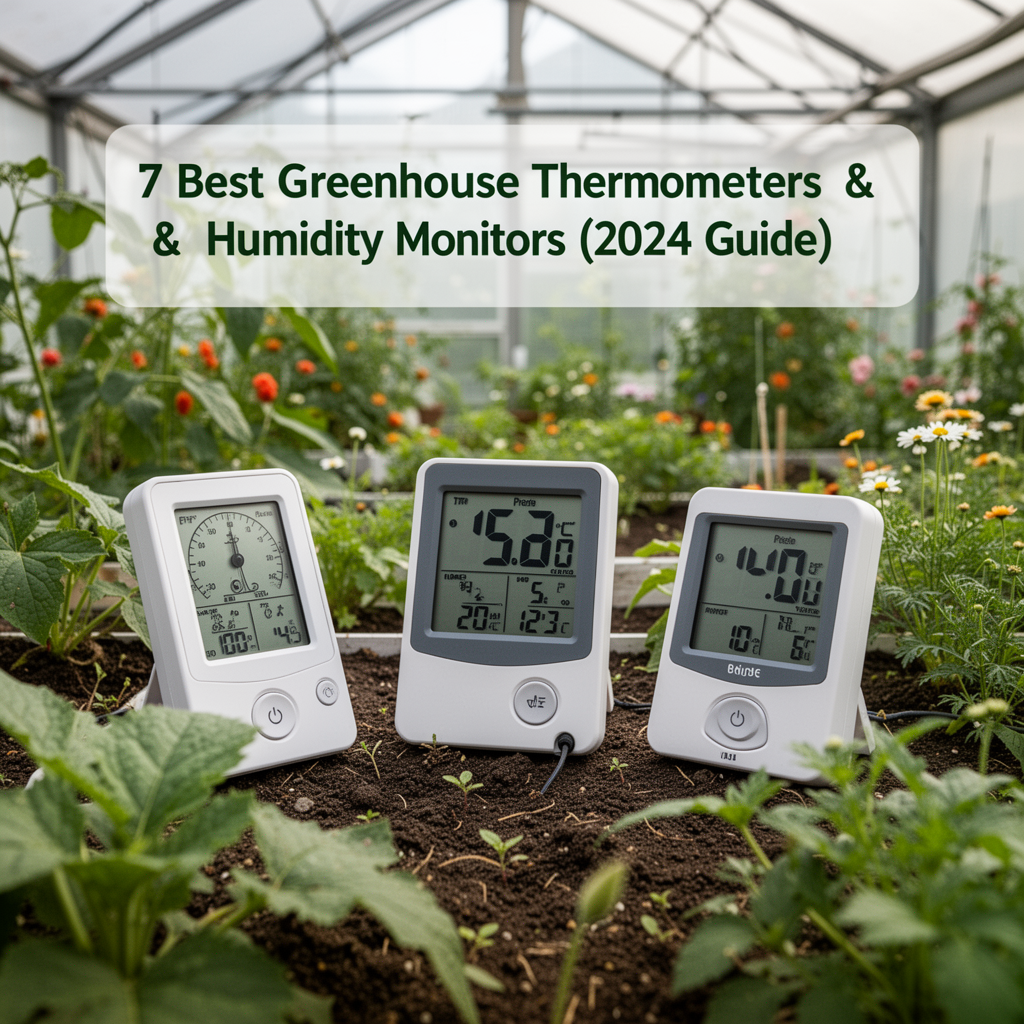
- Digital thermometer with a remote probe
Step-by-Step Tutorial: Building a Thermal Storage System
Thermal mass is your best friend when looking for ways to heat a greenhouse without power.
- Prepare the Barrels: Clean and paint large plastic or metal barrels black to absorb maximum solar radiation.
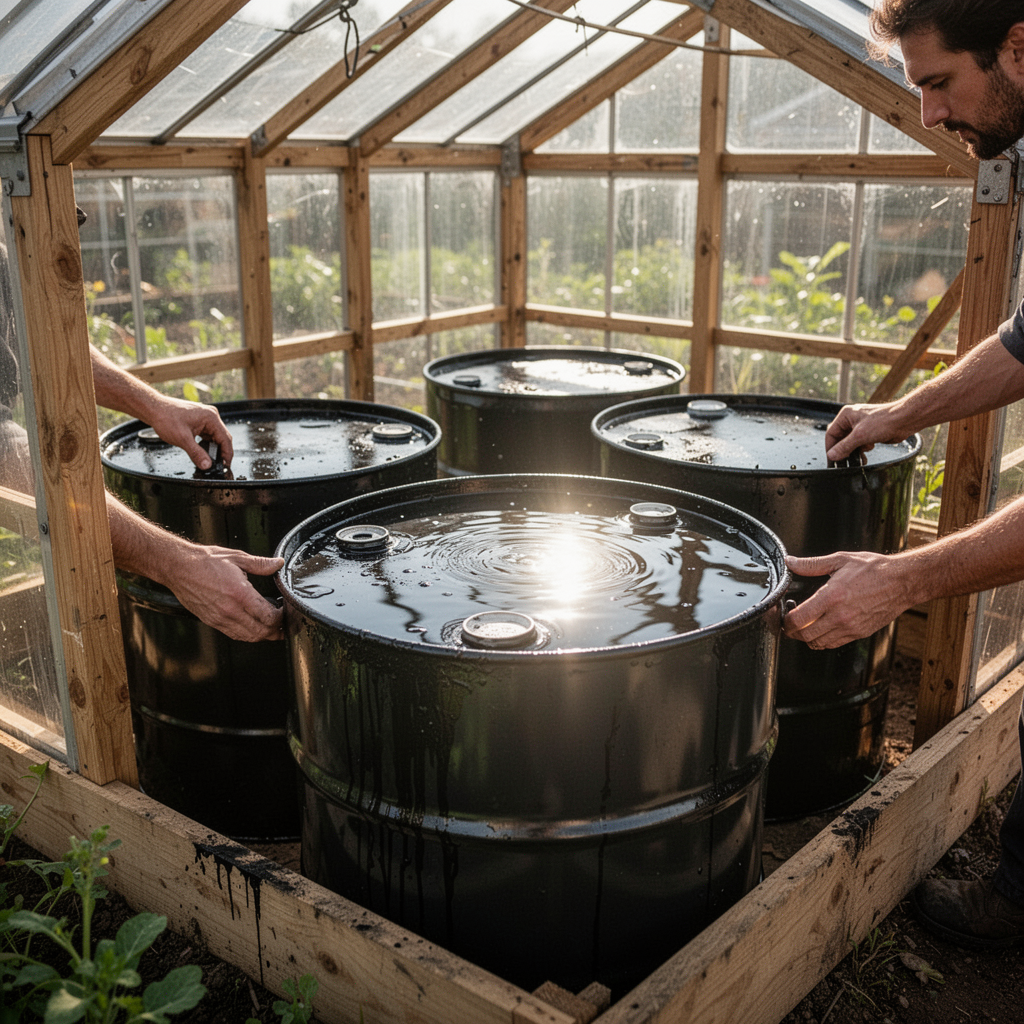
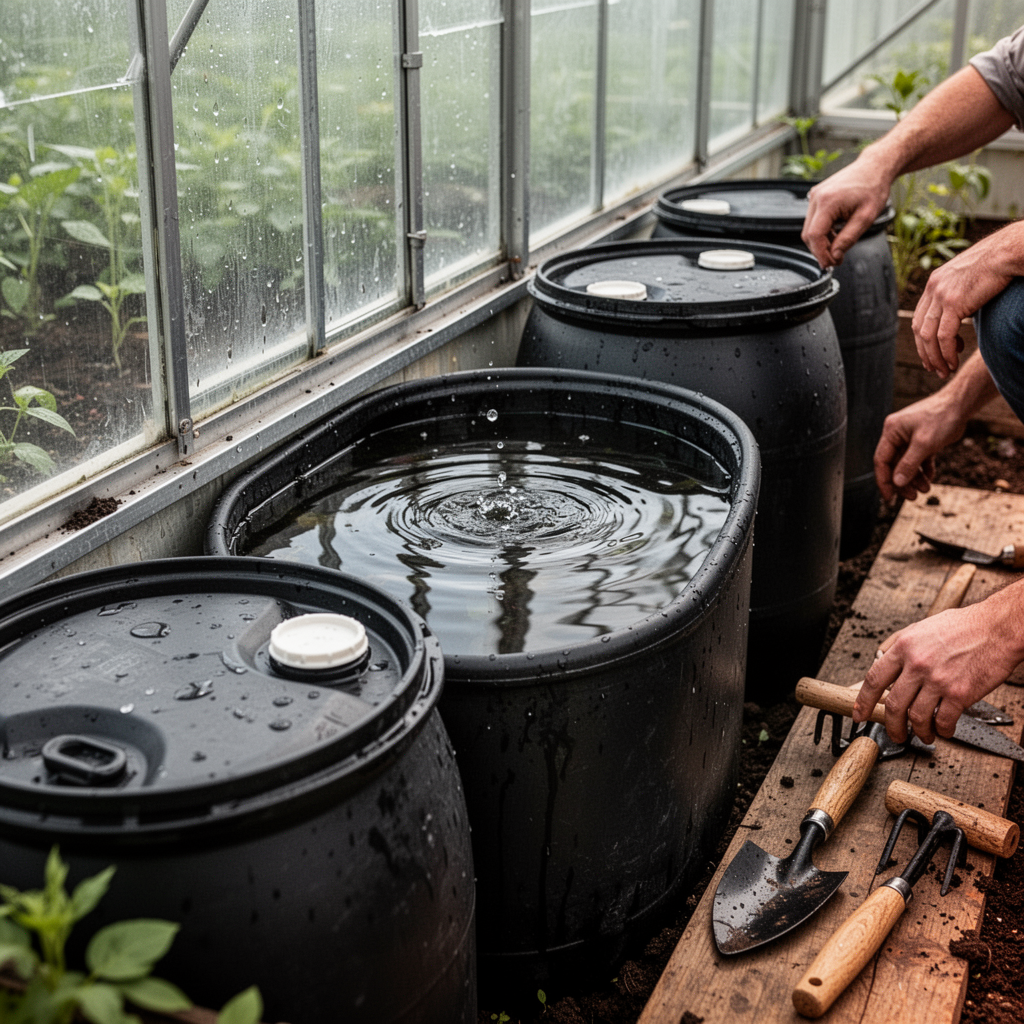
- Placement: Position these barrels along the north wall of the greenhouse. They will soak up heat during the day and radiate it slowly at night.
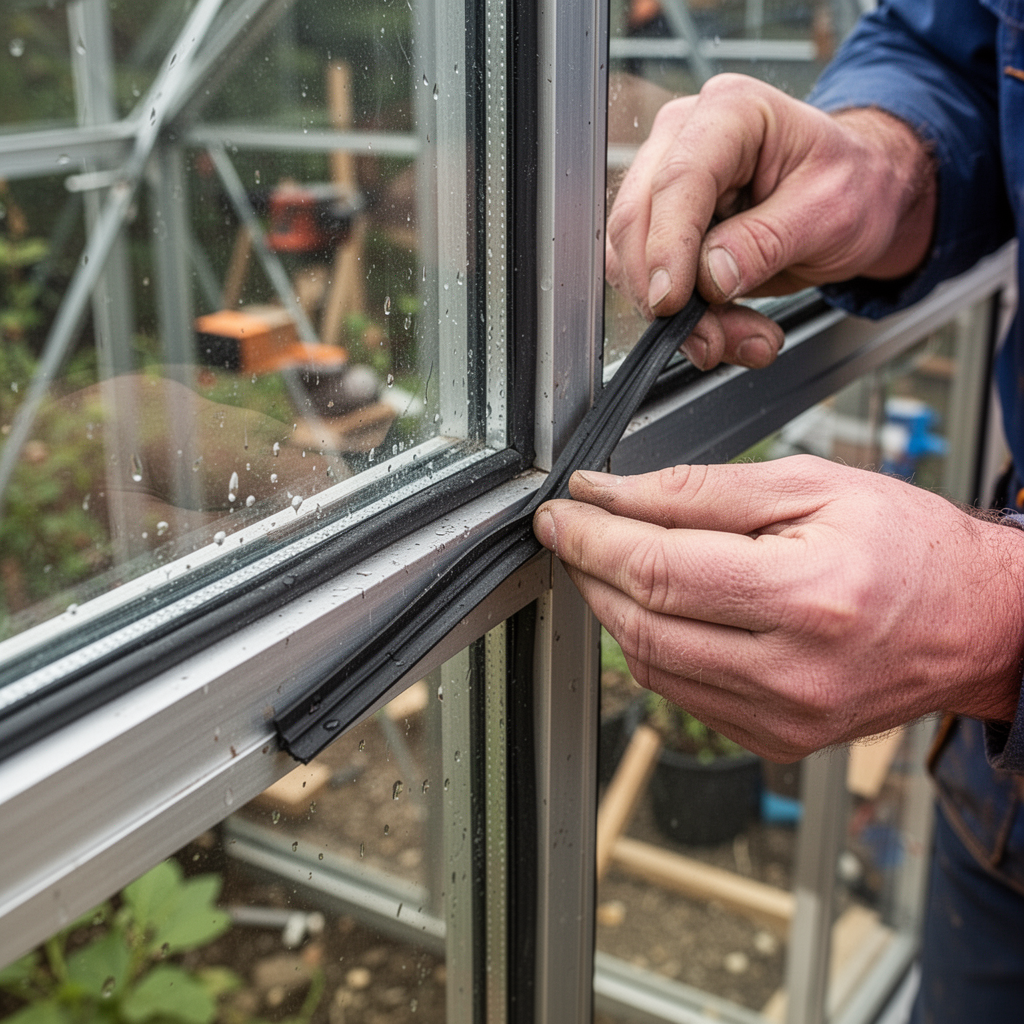
- Sealing Gaps: Use weatherstripping on all doors and vents to prevent heat loss.
- Insulating the North Wall: Use reflective insulation on the north side to bounce light back toward your plants.
DIY Candle Heater Tutorial
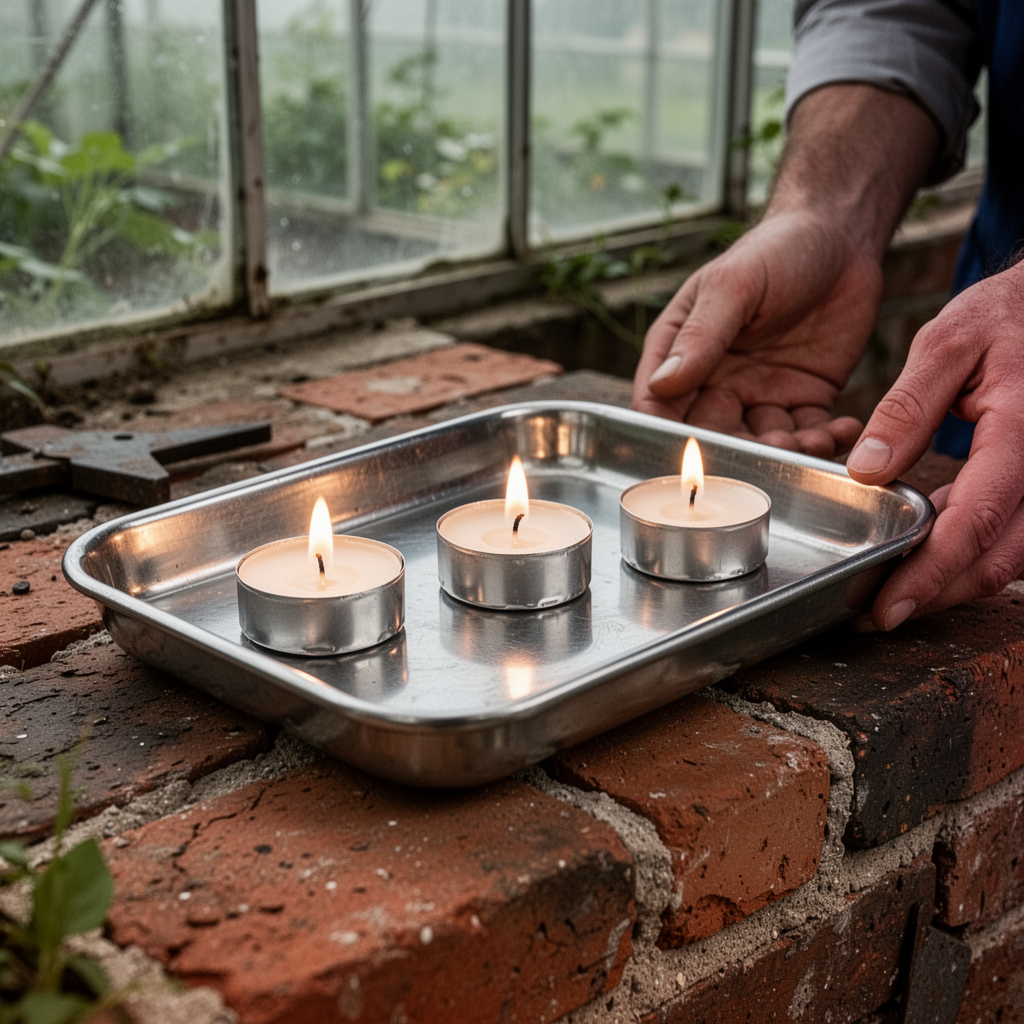
When the mercury drops dangerously low, a simple DIY heater for homeless without electricity—often referred to as a terracotta pot heater—can provide just enough heat to prevent frost damage.
- The Base: Place a metal tray on a non-flammable surface.
- The Pots: Place a smaller terracotta pot upside down over the candles, then a larger one over it, ensuring air flow from the bottom.
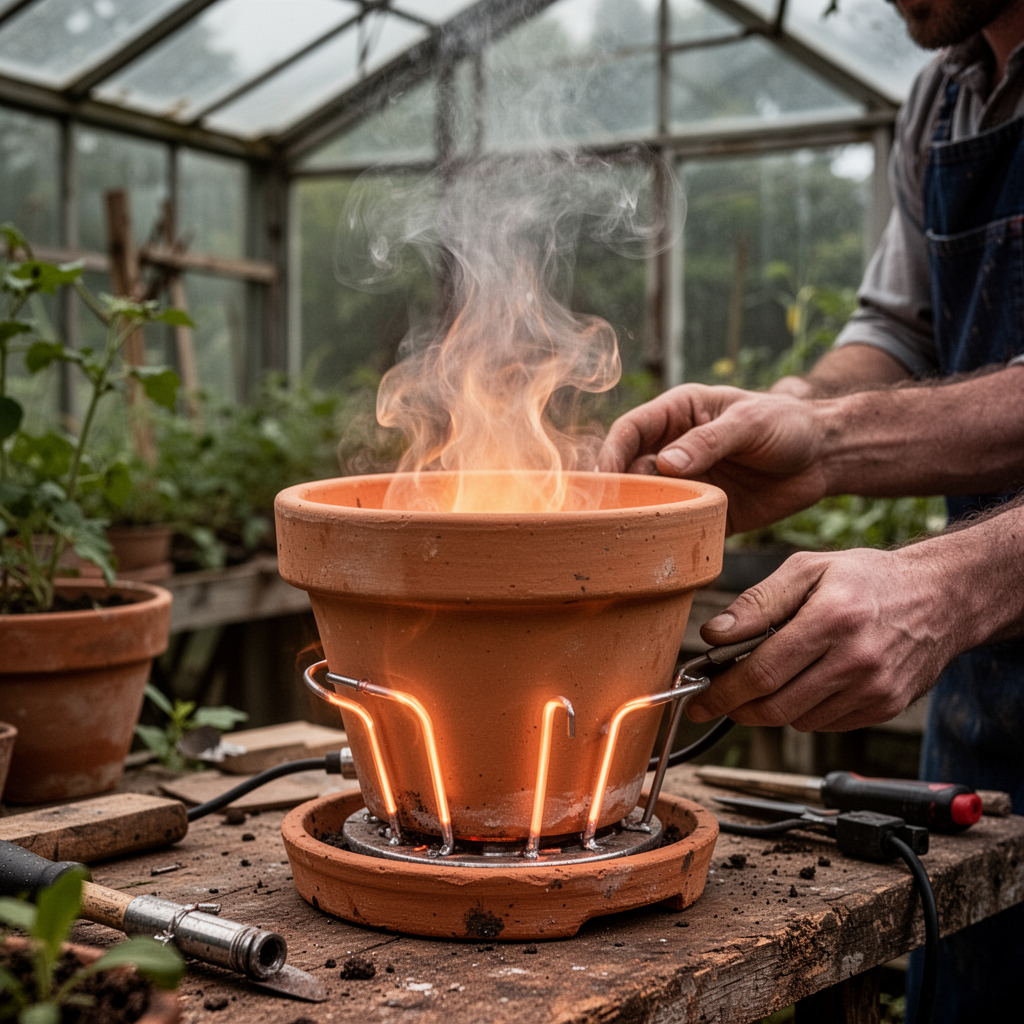
- Heat Distribution: The terracotta acts as a heat sink, absorbing the flame's warmth and releasing it steadily.
Buying Guide: What to Look For
When selecting non-electric warming accessories, focus on durability and heat-retention properties.
Top Features to Consider
- UV Resistance: If your insulation isn't UV-treated, it will degrade within a season.
- Insulation R-Value: Higher R-value means better protection against freezing temperatures.
- Safety Features: If using candles, always use fire-rated ceramic or metal containers.
Price Ranges
- Low ($20-$50): Basic insulation kits and thermal pots.
- Mid-range ($50-$150): Commercial-grade thermal blankets and reflective wall kits.
- High ($150+): Heavy-duty passive solar collector panels.
Comparison: Passive Methods vs. Supplemental Heating
| Method | Best For | Complexity | Cost |
|---|---|---|---|
| Thermal Mass | Long-term heating | Low | Low |
| Candle Heaters | Emergency frost nights | Medium | Very Low |
| Bubble Wrap | Constant insulation | Low | Moderate |
Who Should Choose Which?
- Choose Thermal Mass if you have the space and want a "set it and forget it" solution.
- Choose Candle Heaters only for short-term, extreme cold emergencies.
Beginner Tips and Common Mistakes
- Mistake: Not venting during the day. Even in winter, a greenhouse can overheat.
- Tip: Always use a thermometer to track the temperature differential between the inside and outside.
- Mistake: Using clear plastic for insulation that isn't UV-treated.
- Tip: Consider a "greenhouse within a greenhouse" (a small frost-cloth tunnel inside the structure) for your most delicate plants.
Frequently Asked Questions (FAQ)
- How to heat a greenhouse in winter for free? Use thermal mass (water barrels) to store daytime sun and release it at night.
- Is it safe to use candles in a greenhouse? Only if placed in fire-proof containers and kept far away from plants or plastic walls.
- Does bubble wrap actually help? Yes, it creates an air pocket that acts as an effective thermal insulator.
- How many water barrels do I need? A good rule of thumb is 1 gallon of water per 2 square feet of floor space.
- What is the best way to stop drafts? Weatherstripping and silicone caulk are essential for sealing frame gaps.
- Can I use compost to heat my greenhouse? Yes, a large, active hot compost pile inside the greenhouse can generate surprising amounts of heat as it decomposes.
- What are the best plants for winter? Kale, spinach, and winter lettuce are hardy and tolerate lower temperatures well.
- How often should I monitor the temperature? Check your thermometer at least twice daily—once in the morning and once at sunset.
Blueprint Section
Safety Tips
- Ventilation: Never completely seal a greenhouse; plants need air circulation to prevent mold and mildew.
- Fire Safety: If using any open flame for emergency heat, ensure the unit is on a stable, non-flammable base and away from dry foliage.
- Structural Load: Ensure your shelves can support the weight of heavy water-filled thermal mass containers.
Conclusion
Mastering the environment inside your greenhouse is a skill that separates successful gardeners from the rest. By learning how to keep a small greenhouse warm without electricity, you gain the freedom to grow year-round without the tether of power lines. Whether you utilize large barrels of water to capture the sun’s energy, apply insulation to prevent loss, or build a simple candle heater for those unexpected freezes, your garden will thank you.
Start small, observe the temperature fluctuations in your specific climate, and adjust your strategy accordingly. The goal is to create a consistent, reliable environment where your plants can thrive, no matter how low the thermometer drops outside. Take these steps today, and you’ll be harvesting fresh greens even when the ground outside is covered in snow. Happy gardening!