There is something inherently magical about stepping out into your own backyard and harvesting sun-warmed tomatoes in the middle of a cool autumn morning. For many gardening enthusiasts, the dream of extending the growing season often hits a wall: the perceived high cost and complexity of greenhouse gardening. However, you don’t need a massive commercial structure or a hefty bank account to get started. The world of hobby greenhouses has evolved significantly, offering durable, easy-to-assemble, and budget-friendly solutions tailored specifically for the home gardener.
Whether you are looking to protect delicate seedlings from a late spring frost, cultivate exotic orchids, or simply achieve a year-round supply of fresh organic greens, a greenhouse is the ultimate game-changer. The challenge isn't finding a greenhouse—it's finding one that balances durability, space, and price without turning into a DIY nightmare. In this guide, we dive deep into the best affordable options currently on the market, helping you navigate the options so you can focus on what really matters: watching your garden grow.
Buying Guide: What to Look for in a Beginner Greenhouse
Buying your first greenhouse can be overwhelming. To ensure your investment yields more than just a pile of plastic, you need to understand the essential features that differentiate a "cheap" greenhouse from a "value-for-money" one.
Essential Features Explained
- Frame Material: Most affordable greenhouses use powder-coated steel or aluminum. Steel is heavier and often sturdier, while aluminum is lightweight and rust-resistant.
- Glazing/Covering: This is the skin of your greenhouse. Polyethylene (PE) covers are budget-friendly and great for seasonal use, while Polycarbonate panels offer better insulation and durability against wind and snow.
- Ventilation: Even in cold climates, greenhouses can overheat. Look for structures that include roof vents or roll-up windows.
- Stability: Ensure the base is either heavy enough to anchor or includes ground stakes/guy ropes to prevent your greenhouse from becoming a kite during a storm.
Price Ranges for Beginners
- $100 - $200: Entry-level walk-in "tunnel" styles. Best for seasonal use.
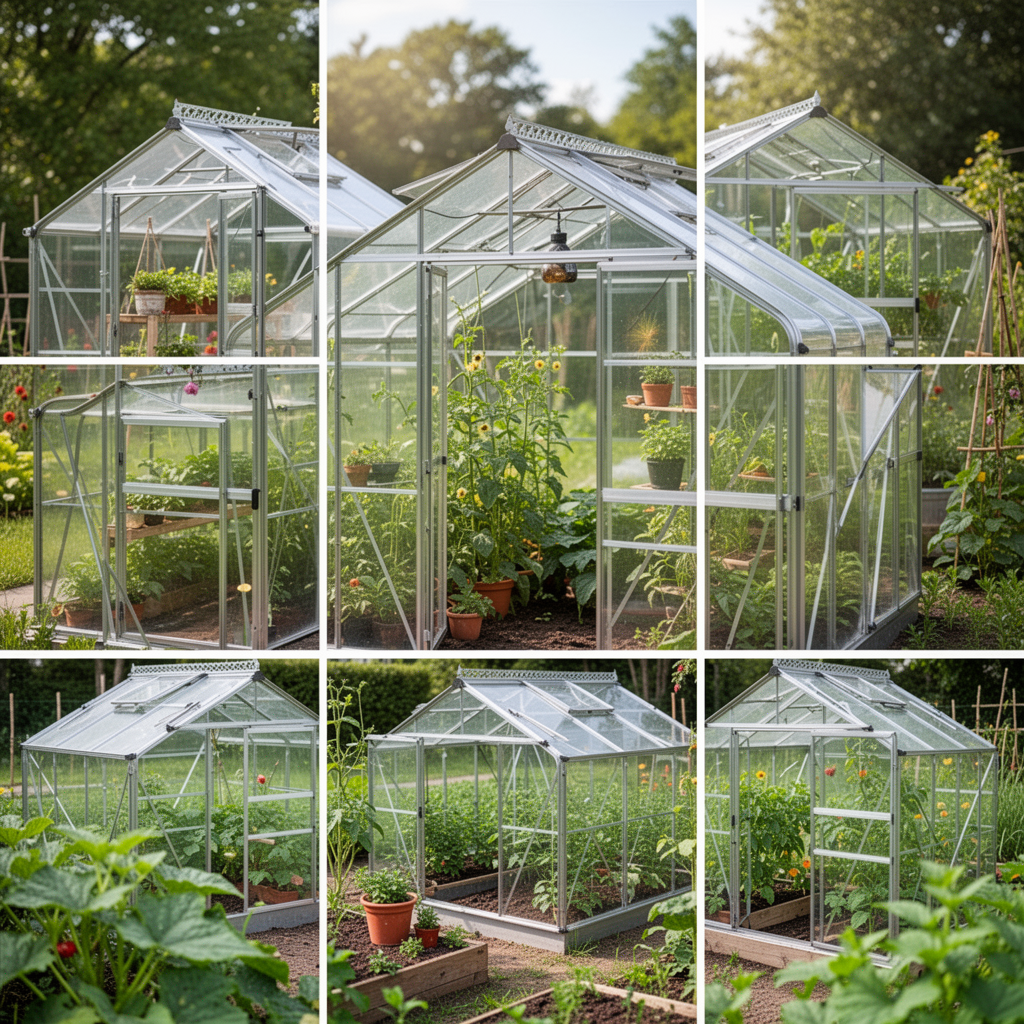
- $250 - $500: Mid-range polycarbonate hobby kits. These offer structural integrity for year-round use.
- $500+: Semi-permanent structures with heavy-duty frames and advanced ventilation systems.
Best Options by Budget
- The Budget Pick (Walk-in Tunnel): Perfect for those testing the waters without a big commitment.

- The Best Value (Polycarbonate Kit): Great for long-term hobbyists who want insulation.
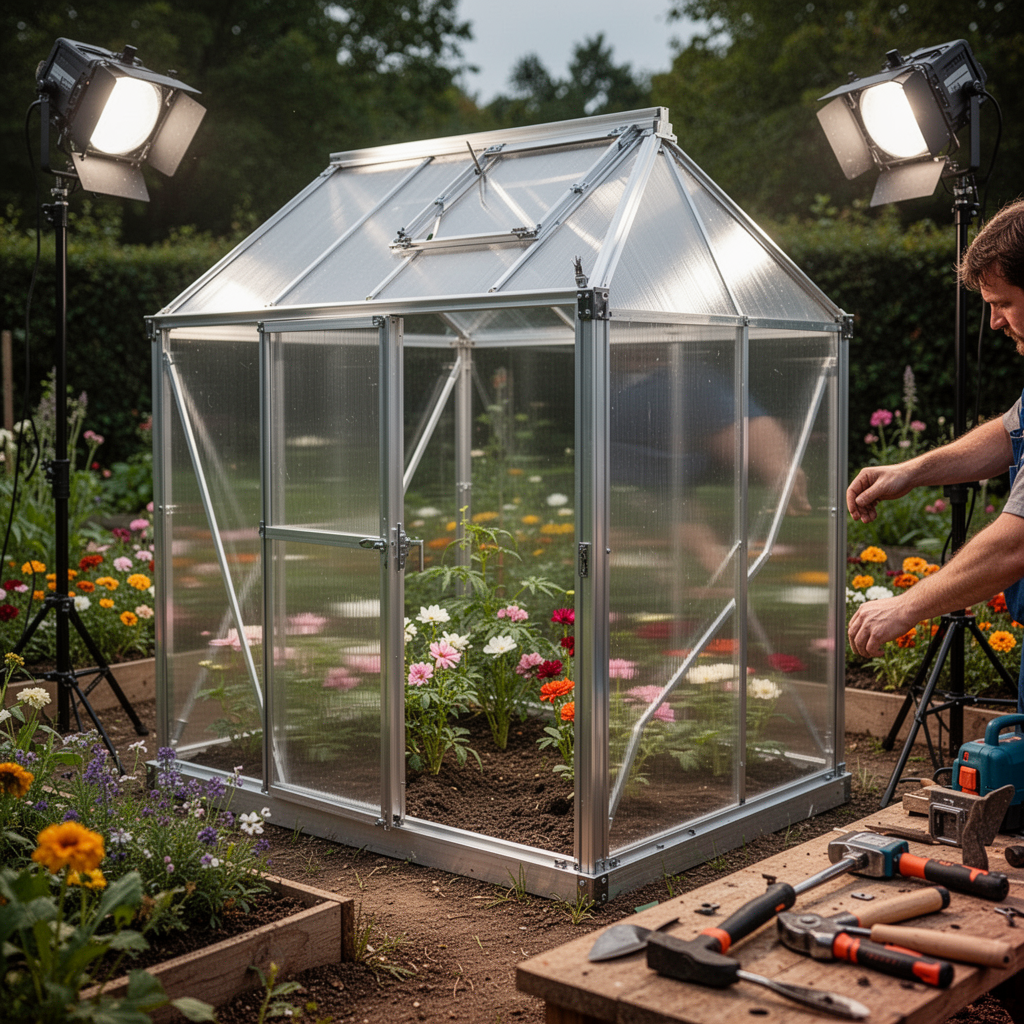
- The Compact Solution (Lean-to style): Ideal for patios or small decks.

Why Hobby Greenhouses Matter
A greenhouse provides a microclimate that you can control. By regulating light, temperature, and humidity, you can protect plants from pests, extreme weather, and unpredictable frost cycles. For beginners, this control provides a significant safety net, drastically increasing your success rate with challenging varieties.
Common Mistakes to Avoid
- Ignoring Wind Exposure: Always place your greenhouse in a spot protected from prevailing winds.
- Lack of Proper Drainage: A greenhouse should never be placed in a low spot where water pools.
- Underestimating Heat: Many beginners forget to add a thermometer. Overheating can kill plants faster than frost.
- Ignoring Anchoring: Never skip the staking process. A gust of wind is the number one cause of greenhouse failure.
Beginner Tips for Greenhouse Success
- Start Small: Don't buy a massive structure if you are a beginner. A 6x6 or 6x8 foot unit is plenty to start.
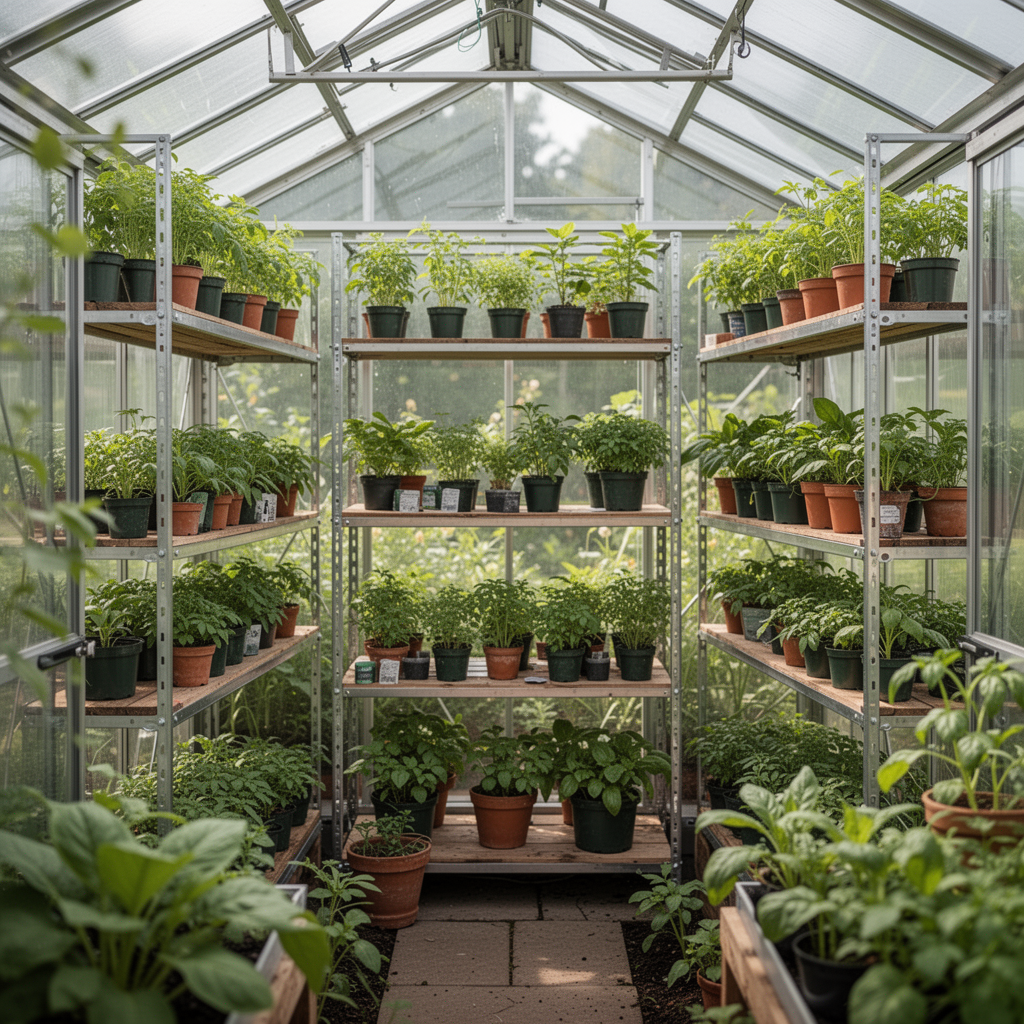
- Maximize Vertical Space: Use tiered shelving to double your growing area.
- Keep a Journal: Track your temperatures and planting dates to refine your process year over year.
- Watering is Different: Greenhouses lose water through transpiration differently than outdoor beds. Check soil moisture daily.
Frequently Asked Questions (FAQ)
- Do I need a foundation for a hobby greenhouse? Small, portable greenhouses don't usually need a permanent foundation. For larger polycarbonate structures, a wooden base frame or gravel pad is highly recommended for stability.
- Can I use a greenhouse in the winter? Yes, if you choose a polycarbonate model. However, you may need an additional heater or thermal mass (like water barrels) to keep temperatures above freezing.
- How do I keep my greenhouse from overheating? Always ensure you have at least one roof vent and a door that can be opened. Use shade cloth during the height of summer.
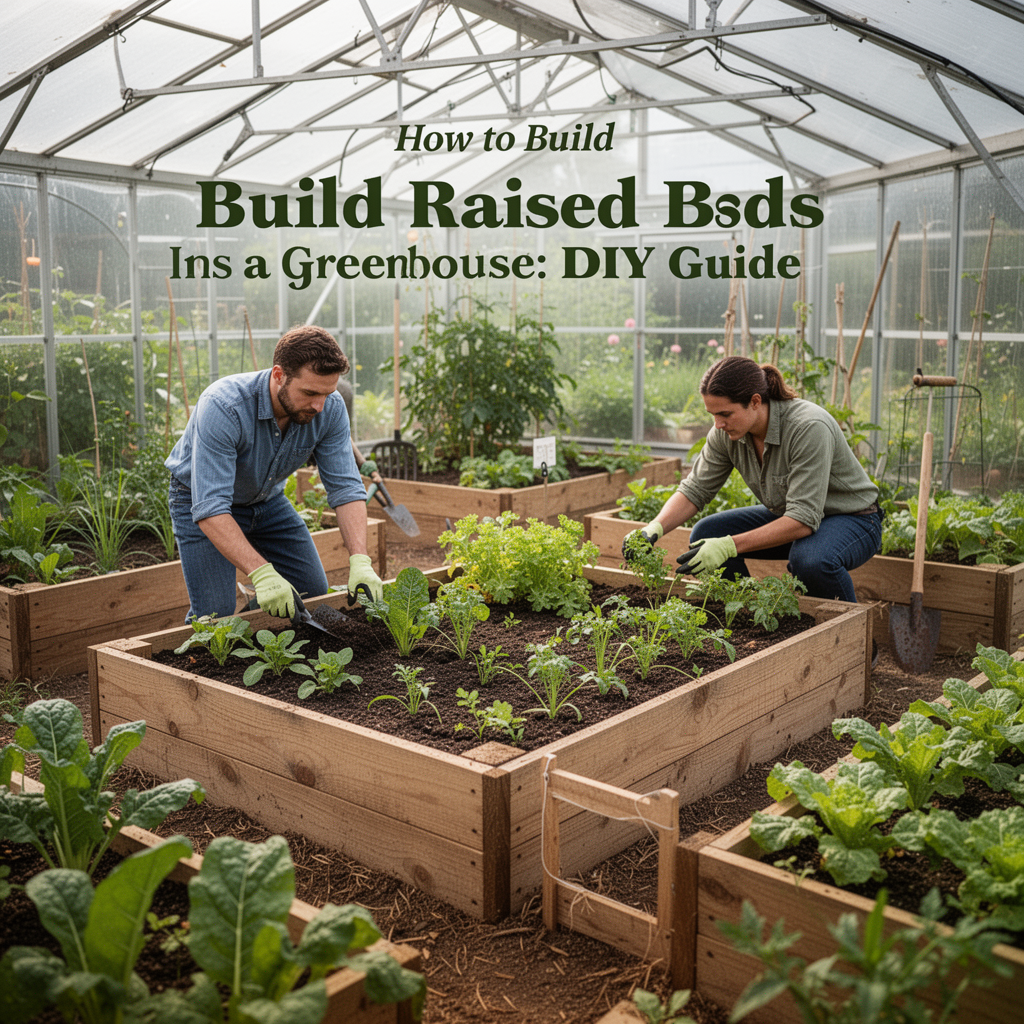
- Are hobby greenhouses easy to build? Most come as flat-pack kits. With a power drill and a helper, most beginners can assemble a small greenhouse in one weekend.
- How do I clean my greenhouse cover? Use a soft cloth and mild soap. Avoid harsh chemicals that can degrade the plastic coating.
- Can I grow anything in a greenhouse? Almost anything, but avoid plants that require cross-pollination by insects unless you are willing to hand-pollinate or leave the doors open during the day.
- Is a glass greenhouse better than plastic? Glass is aesthetically beautiful but expensive and prone to breakage. Polycarbonate is safer for beginners and offers better insulation.
- How often should I ventilate? In the spring and summer, ventilation should occur daily. In the winter, you only need to crack vents on sunny days to refresh the air.
Blueprint: Greenhouse Layout

Safety Tips
- Always wear gardening gloves when handling metal frames to avoid sharp edges.
- Do not leave heaters unattended inside a plastic greenhouse.
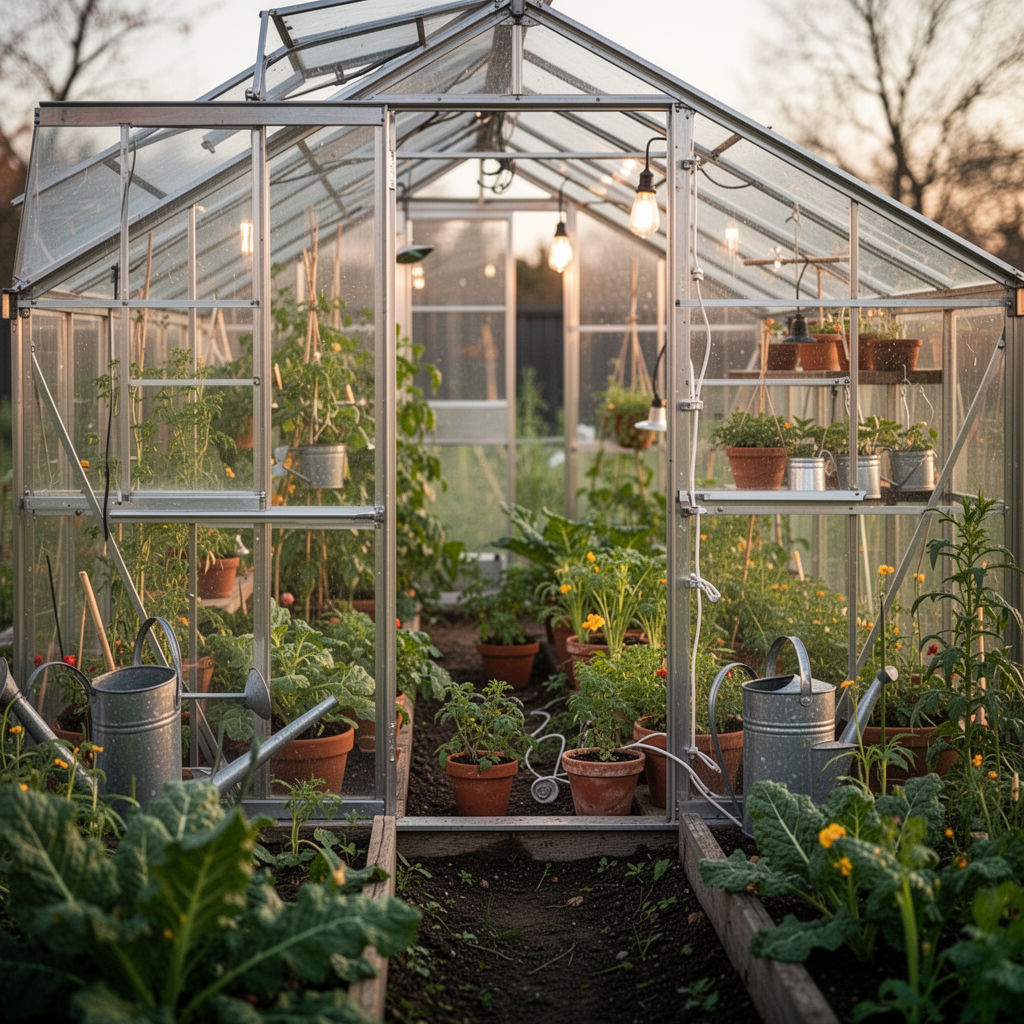
- Keep electrical cords for grow lights organized and away from water sources.
- Use a ladder carefully; greenhouse frames are not designed to support human weight.
Conclusion
Starting your journey into greenhouse gardening is one of the most rewarding steps a hobbyist can take. By choosing the best affordable hobby greenhouse for beginners that fits your space and climate, you aren't just buying a shed—you are investing in a season-extending powerhouse that brings the joy of harvest to your doorstep year-round.
Remember to prioritize stability and ventilation as you set up your new space. Don't be afraid to start small; even a modest structure can yield a massive bounty if you manage your environment well. Whether you're growing crisp lettuce in January or starting your tomato seeds in early March, the control you gain is invaluable. We hope this guide has given you the confidence to start building your own backyard oasis. Happy growing!