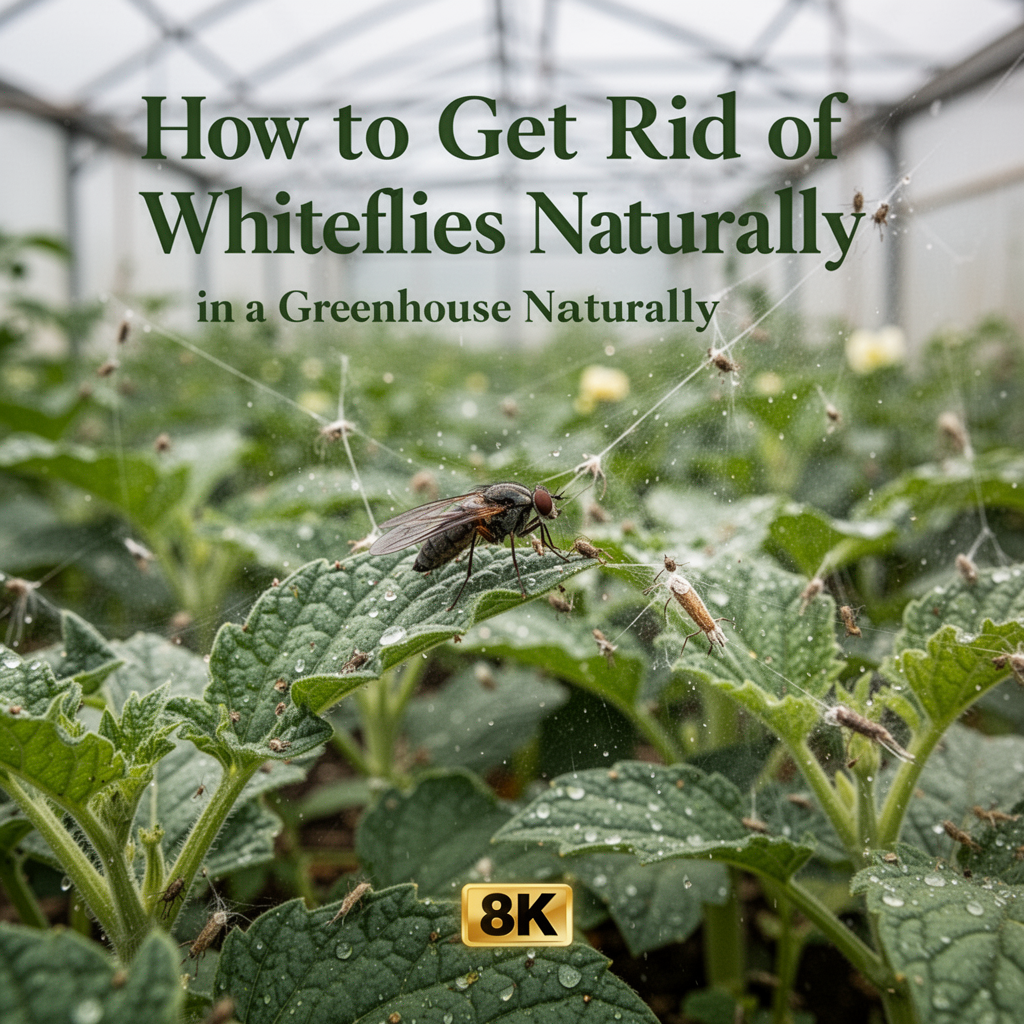
Walking into your greenhouse to find a cloud of tiny, moth-like insects swarming around your prized tomatoes or cucumbers is every gardener's worst nightmare. Whiteflies (Trialeurodes vaporariorum) are notorious pests that thrive in the warm, humid, and protected environment of a greenhouse. Because they reproduce rapidly and hide on the undersides of leaves, they can decimate your harvest before you even realize the extent of the infestation.
If you are an organic gardener, you might be worried about using harsh synthetic pesticides that leave chemical residues on your food. The good news is that you don't need toxic chemicals to win this war. Learning how to get rid of whiteflies in a greenhouse naturally is not only possible; it is often more effective in the long run because it prevents the development of pesticide-resistant populations. In this guide, we will walk you through sustainable, holistic strategies to reclaim your greenhouse and keep it pest-free for seasons to come.
Root Causes: Why Are Whiteflies Attracted to Your Greenhouse?
Understanding why these pests settle in is the first step toward long-term management. Whiteflies are drawn to greenhouses for three primary reasons:
- Warmth and Humidity: Greenhouses provide a year-round tropical environment that accelerates the whitefly lifecycle.
- Lack of Predators: Unlike a wild garden, greenhouses often lack the natural ladybugs, lacewings, and parasitic wasps that keep whitefly populations in check.
- Stressed Plants: Over-fertilized plants, specifically those with high nitrogen levels, produce soft, succulent growth that attracts sap-sucking insects.
Step-by-Step Diagnosis
Before applying treatments, you must confirm the infestation level.
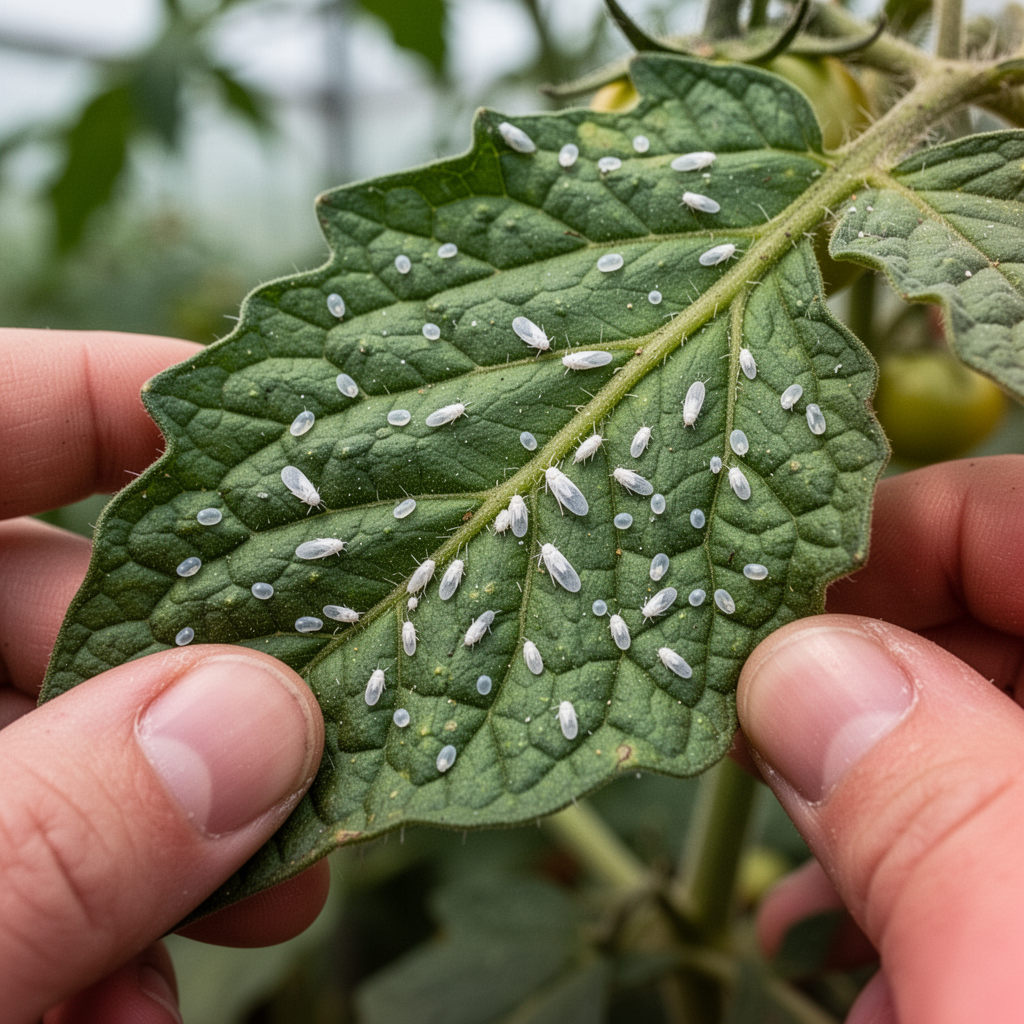
- The Leaf Inspection: Turn over the leaves of your most susceptible plants (tomatoes, peppers, hibiscus). Look for tiny, translucent nymphs or waxy white eggs.
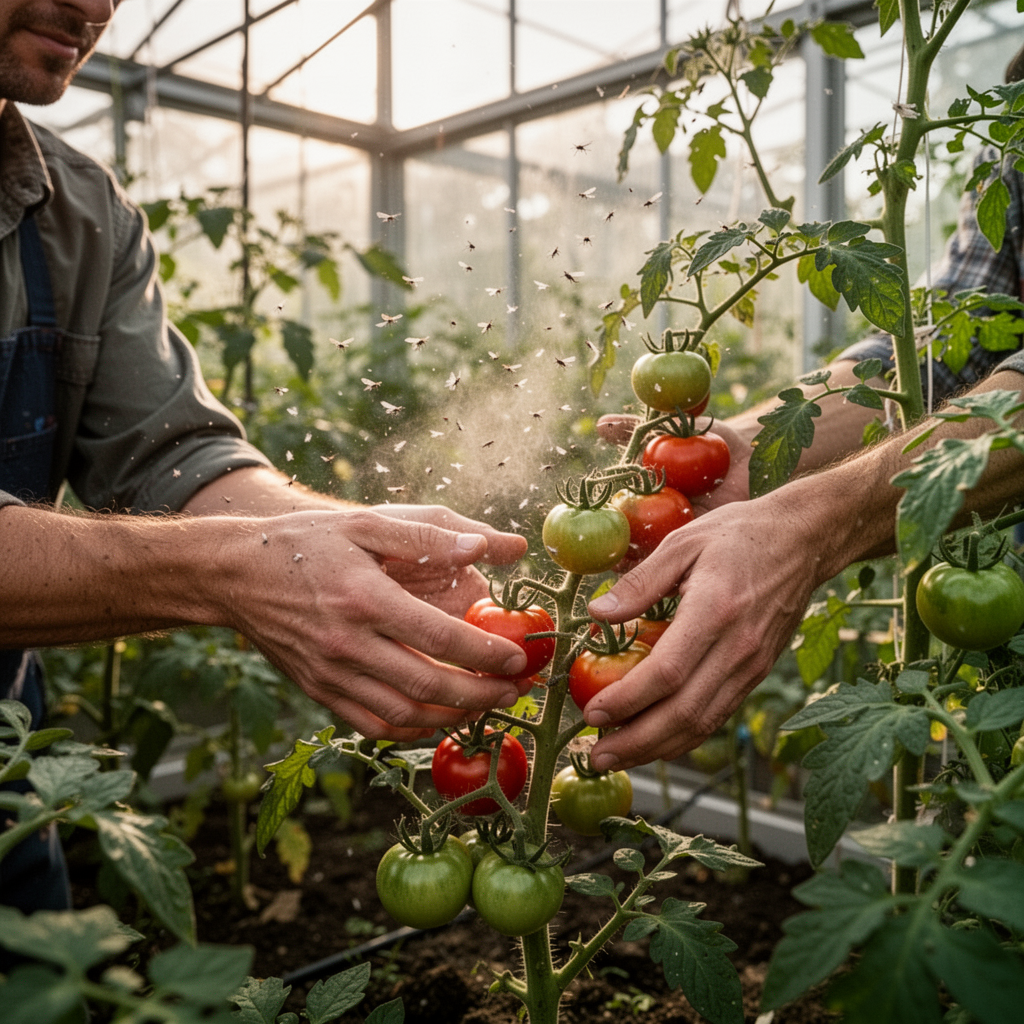
- The Shake Test: Gently shake your plants. If a cloud of white, moth-like insects erupts into the air, you have an active infestation.
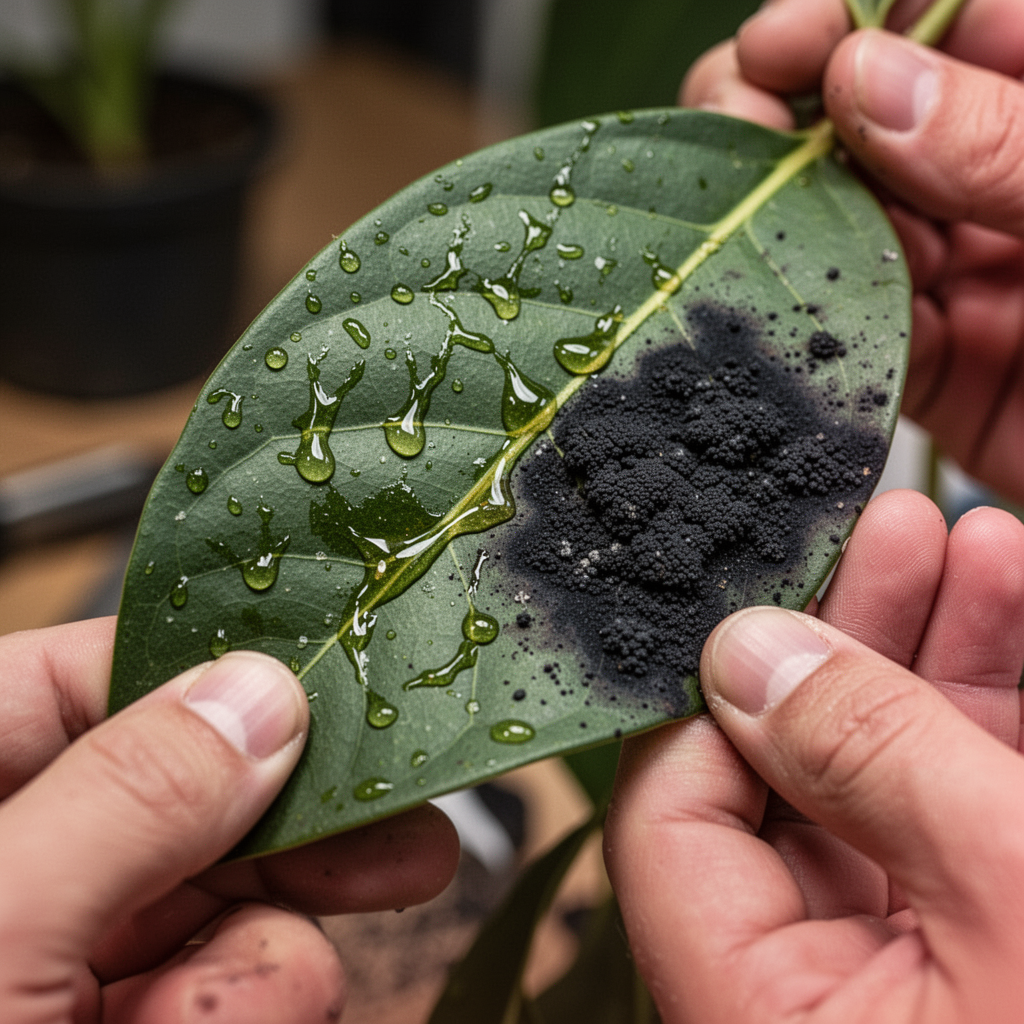
- Honeydew Assessment: Look for a sticky, shiny substance on the leaves below the whiteflies. This is honeydew, which often leads to sooty mold.

Digital Photography Complete Course: Learn Everything You Need to Know in 20 Weeks
Natural Solutions: A Step-by-Step Tutorial
Tools and Materials Required
- Yellow sticky traps
- Organic insecticidal soap
- Neem oil
- Handheld pressure sprayer
- Beneficial insects (Encarsia formosa)
Step 1: Monitoring with Yellow Sticky Traps
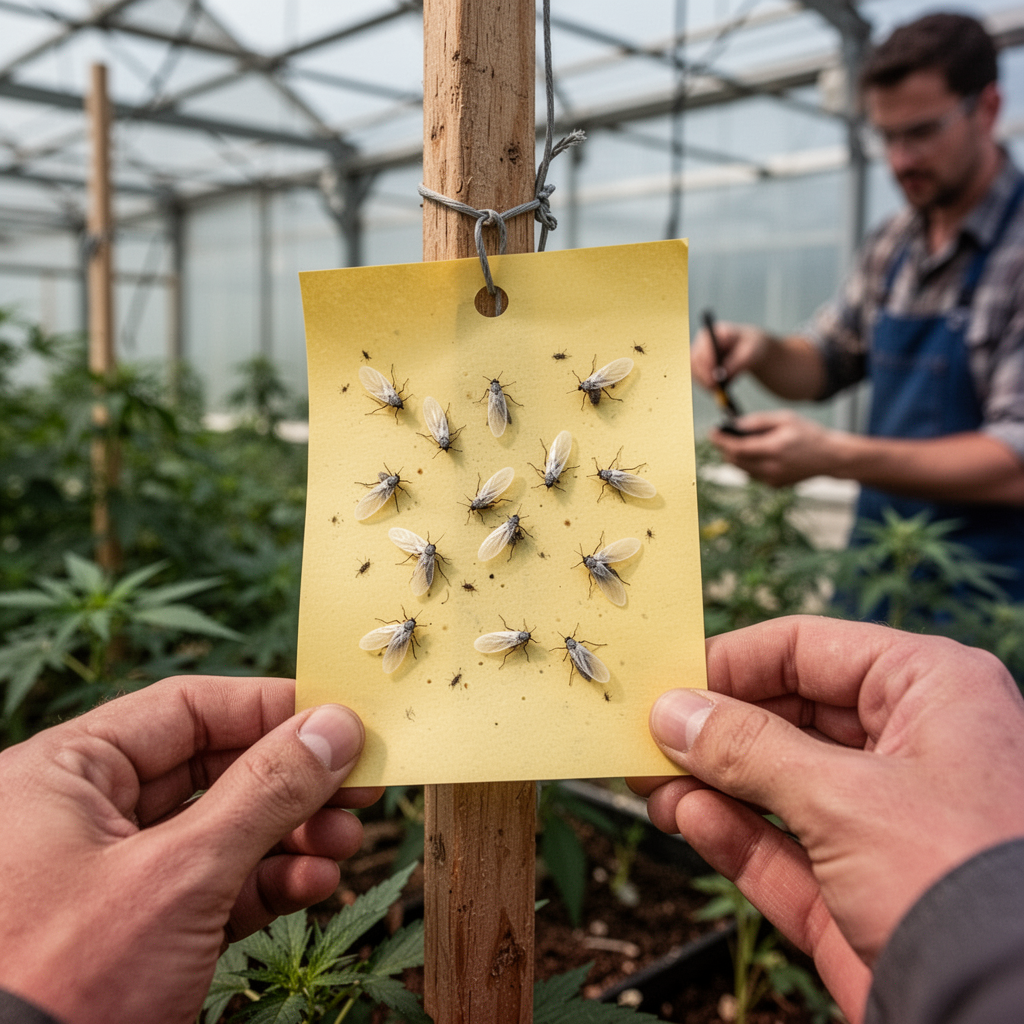
Whiteflies are naturally attracted to the color yellow. Place traps throughout the greenhouse to capture adults and monitor population density.
Step 2: Physical Removal
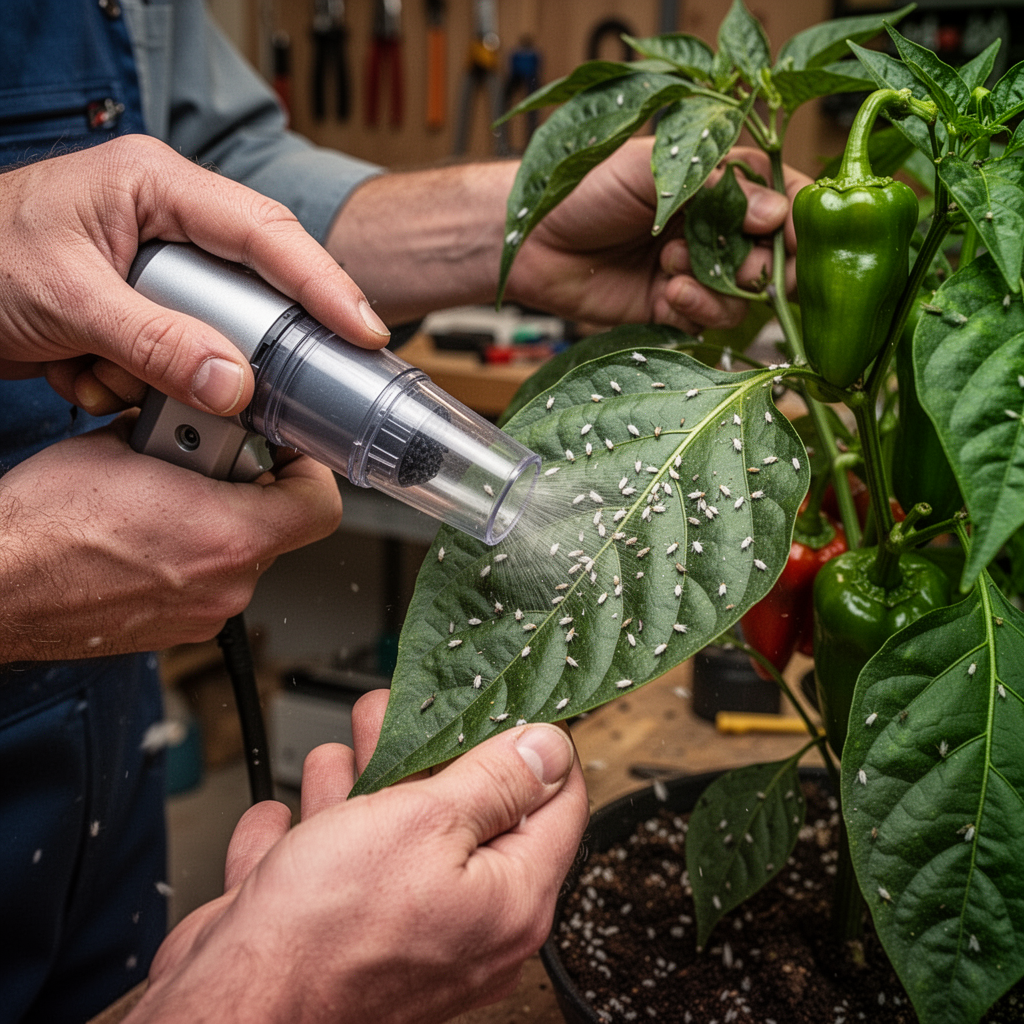
For early-stage infestations, use a vacuum or a gentle spray of water to knock the adults off the foliage.
Step 3: Targeted Organic Sprays
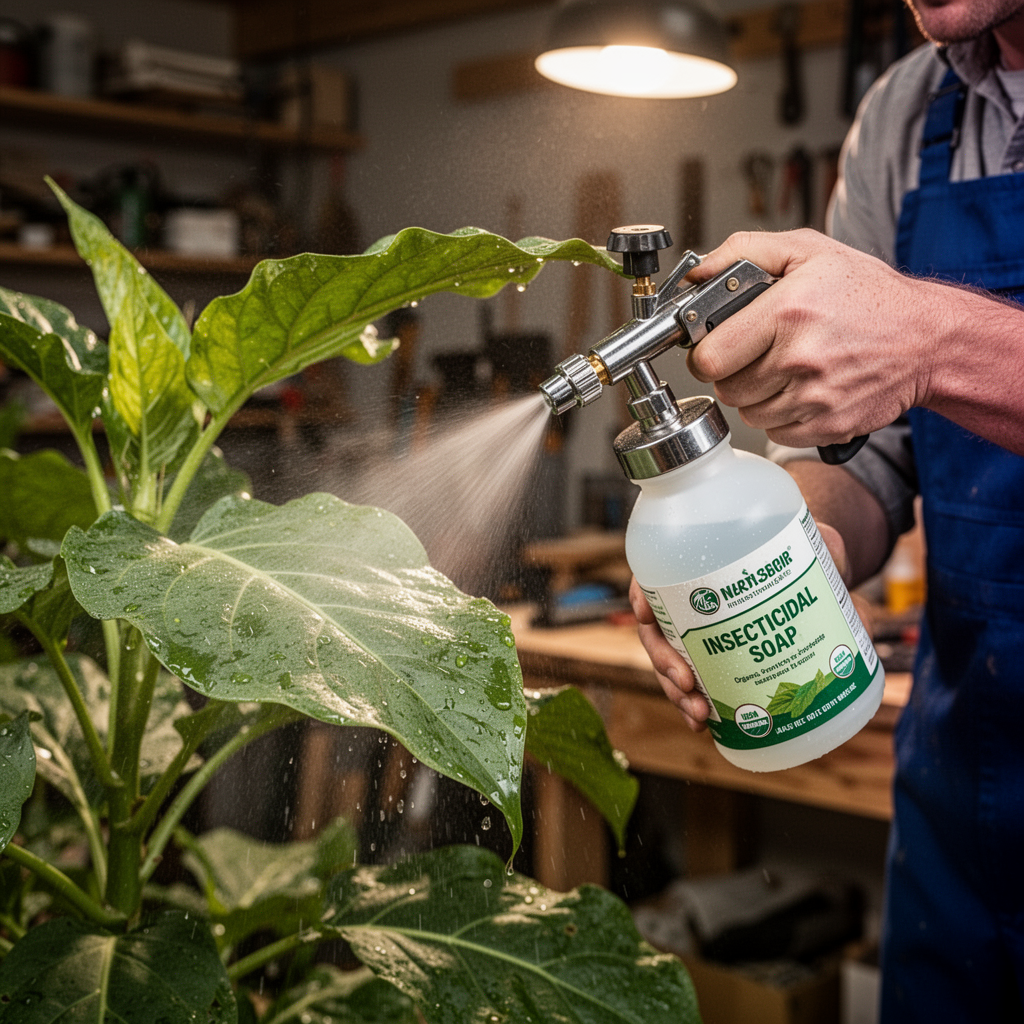
Apply neem oil or insecticidal soap. These work by suffocating the insects or disrupting their hormonal growth cycles. Ensure you spray the undersides of the leaves, as that is where they congregate.
Step 4: Introducing Biological Controls
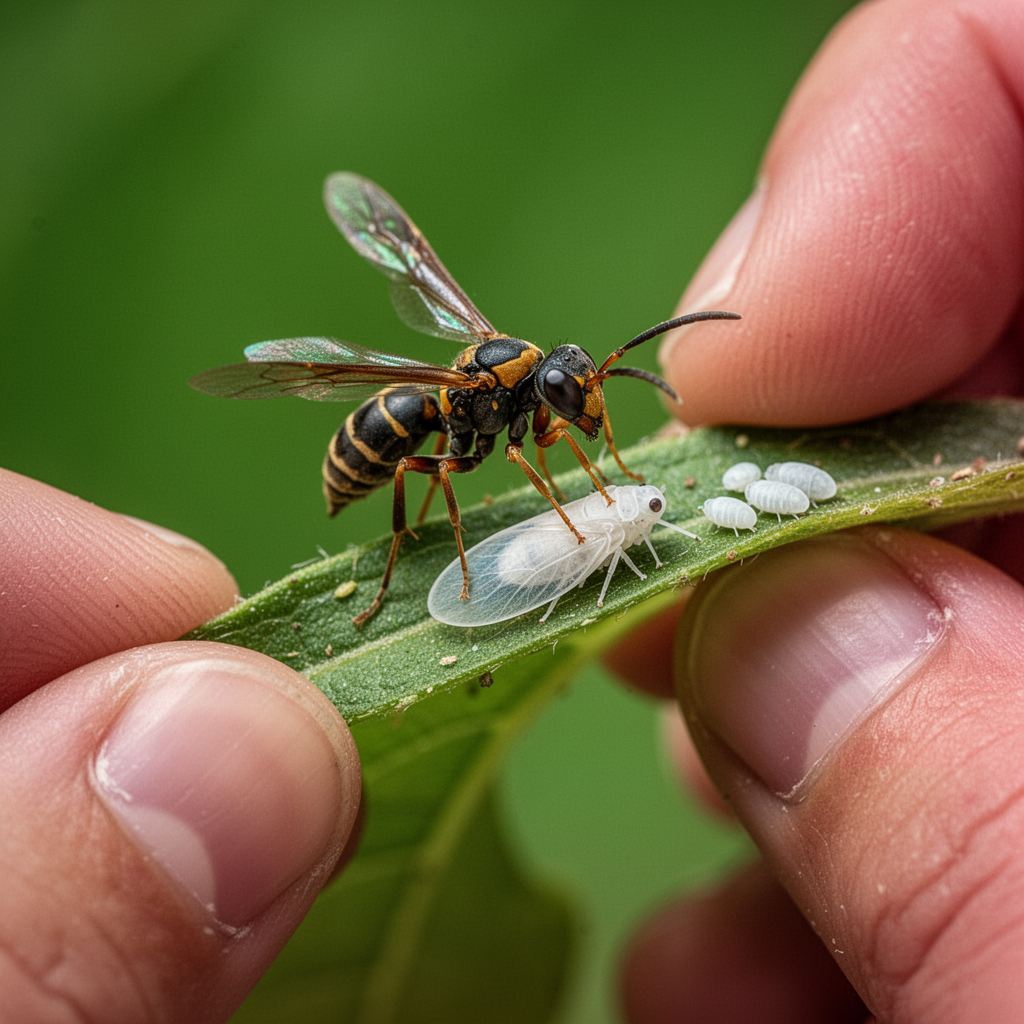
If the infestation persists, order Encarsia formosa. These are tiny parasitic wasps that lay their eggs inside whitefly nymphs, effectively stopping the next generation.

SD Card Reader for iPhone iPad, Oyuiasle Digital Trail Camera SD Card Viewer with Dual Slot for MicroSD/SD, Lightening&USBC Dual-Connector Memory Card Adapter for Photography, Plug and Play
Beginner Tips for Success
- Practice Vigilance: Inspect your plants every time you enter the greenhouse. Early detection is the difference between a minor nuisance and a total crop loss.
- Sanitize Tools: Whiteflies can hitchhike on pruners or gloves. Always sanitize your gardening tools after moving between sections.
- Manage Humidity: Use fans to improve airflow. Stagnant, humid air is a whitefly paradise.
Common Mistakes to Avoid
- Spraying at Midday: Never spray oils or soaps in direct, intense sunlight, as this can "cook" the plant foliage. Always spray early morning or late evening.
- Forgetting the Soil: Sometimes eggs or pupae drop into the top layer of soil. Mulching or lightly turning the soil can help disrupt their life cycle.
- Ignoring Weed Growth: Whiteflies love weeds. Keep your greenhouse floor clean and remove any non-crop vegetation immediately.
FAQ: Frequently Asked Questions
1. How long does it take for neem oil to work? Neem oil acts as an anti-feedant and growth regulator. You should see a significant decrease in population within 3 to 5 days, but multiple applications are usually required.
2. Are yellow sticky traps harmful to beneficial insects? They can be. Use them primarily for monitoring. Once you identify where the whiteflies are, move the traps closer to the infested plants and remove them once the population is under control.
3. Why is my plant leaves turning black after a whitefly infestation? This is sooty mold, a fungus that grows on the honeydew excreted by whiteflies. Once you get rid of the whiteflies, the mold will dry up and can be wiped off with a damp cloth.
4. Can I use dish soap instead of insecticidal soap? Avoid using dish detergent, as it often contains degreasers or additives that can burn plant leaves. Stick to dedicated organic insecticidal soaps.
5. How often should I reapply treatments? In a heavy infestation, apply every 5 to 7 days for three weeks to break the egg-laying cycle.
6. Do whiteflies survive the winter in a greenhouse? Yes, if the greenhouse is heated, they will continue to breed year-round. This is why strict sanitation is vital in the fall.
7. Will vacuuming hurt my plants? Use a low-suction setting and keep the nozzle a few inches away from the leaves to avoid tearing them.
8. Is it safe to eat produce after spraying neem oil? Yes, provided you wash your fruits and vegetables thoroughly with water before eating. Neem oil is organic and breaks down relatively quickly.
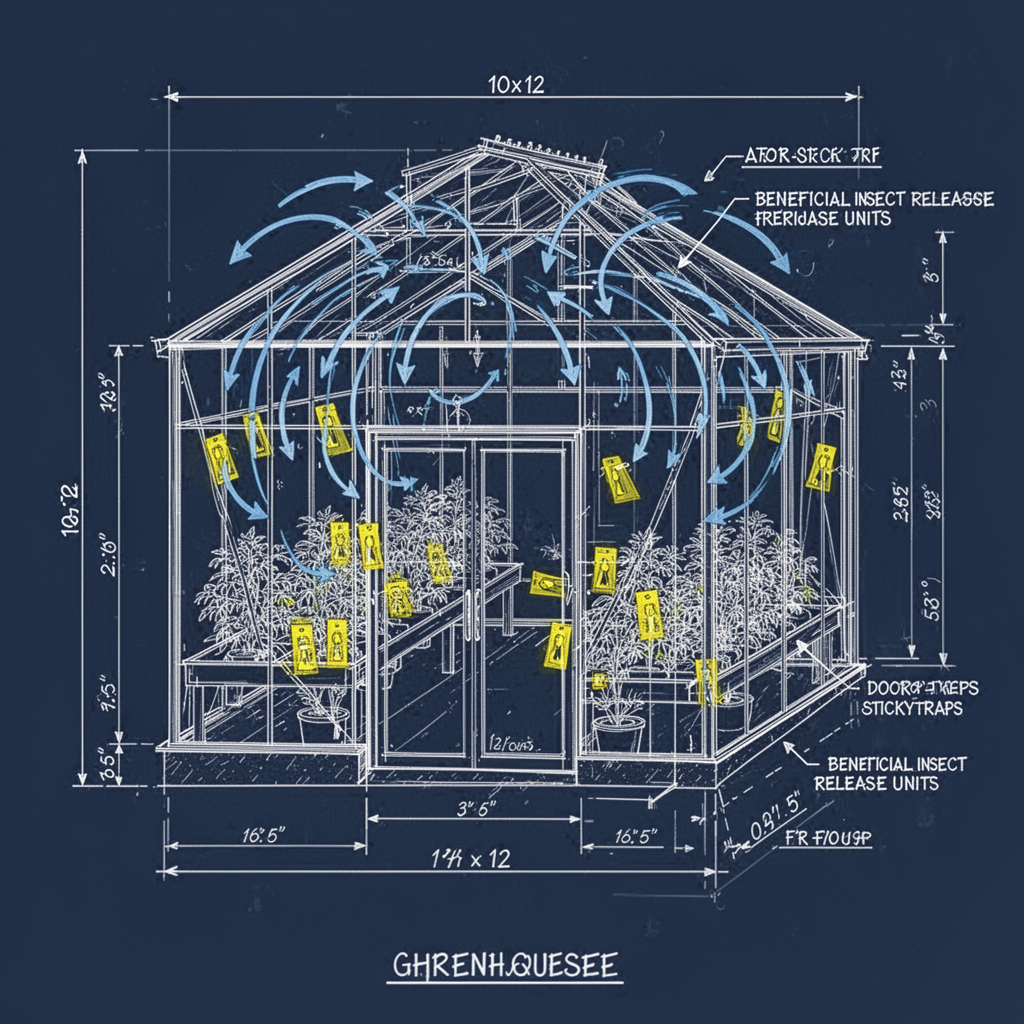
Blueprint: Greenhouse Pest Management System
Safety Tips
- Always wear gloves and eye protection when mixing even organic sprays.
- Store all concentrates out of the reach of children and pets.
- Read the label on every product; just because it's "organic" doesn't mean it shouldn't be handled with care.
Conclusion
Controlling whiteflies in your greenhouse doesn't have to involve dangerous chemicals. By combining diligent monitoring, consistent cleaning, and strategic use of organic solutions like neem oil and beneficial insects, you can maintain a thriving, healthy harvest. Remember, the best defense is a proactive offense: keep your greenhouse well-ventilated, inspect your plants frequently, and act the moment you see the first sign of these persistent pests. Your plants will thank you with higher yields and stronger growth. If you found this guide helpful, start by inspecting your plants today—your greenhouse is your sanctuary, and with these steps, you have all the tools needed to keep it that way. Happy gardening!