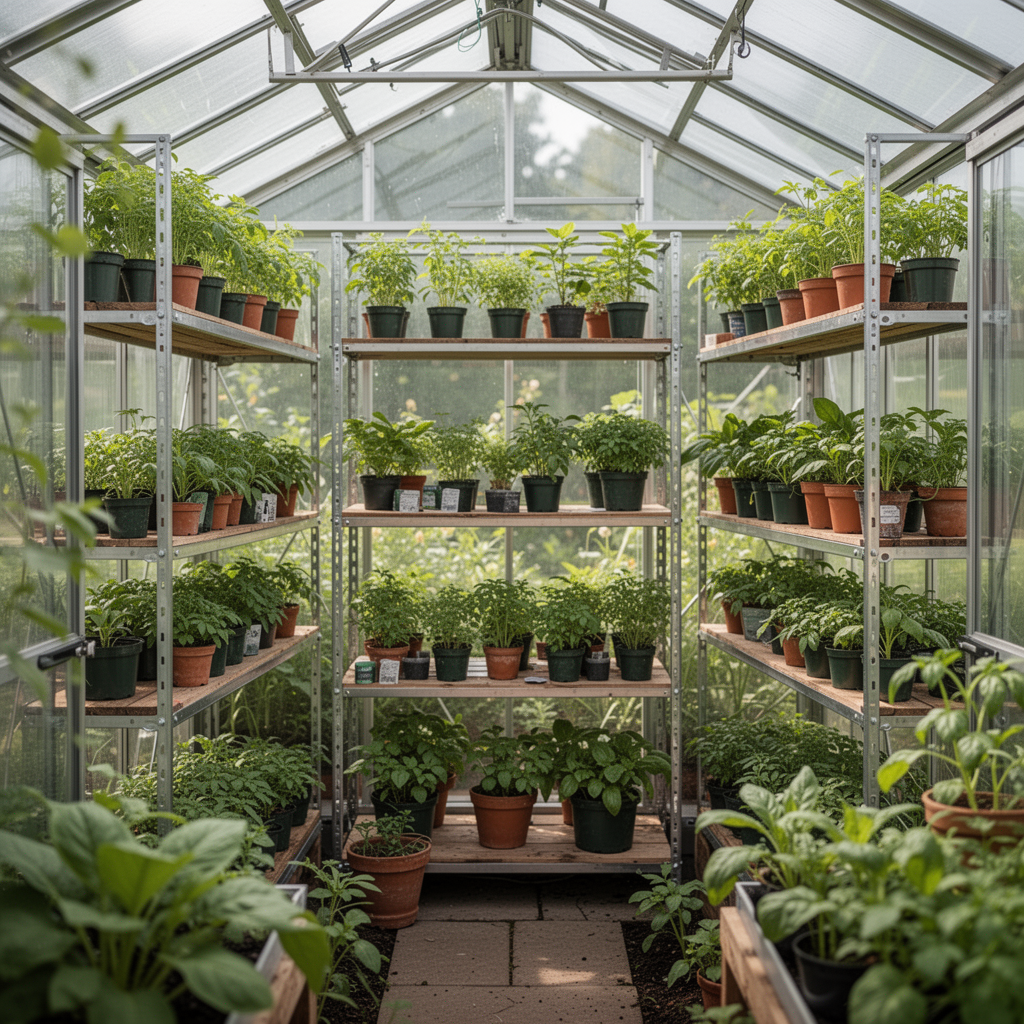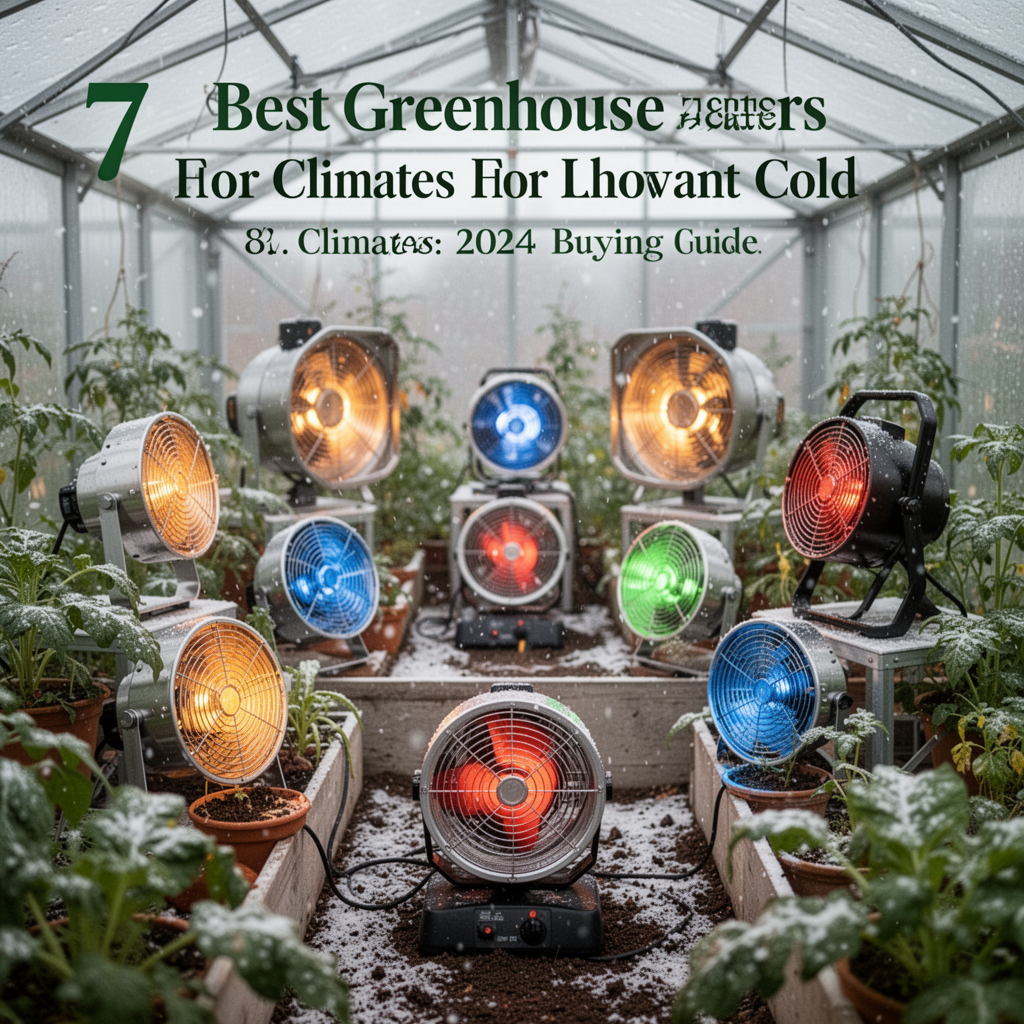
Winter doesn’t have to mean the end of your gardening season. For many hobbyists and professional growers in the United States, the drop in temperature is the biggest hurdle to maintaining a thriving, productive greenhouse. When frost threatens your delicate seedlings and sub-zero nights become the norm, a standard greenhouse structure simply isn't enough to regulate the internal climate. Finding the best greenhouse heater for cold climates is the difference between a lush, green sanctuary and a graveyard of withered plants.
Heating a greenhouse is not just about keeping the air warm; it is about maintaining a consistent, humidity-controlled environment that prevents thermal shock. Whether you are overwintering exotic tropicals or starting your spring vegetables early, selecting the right heating system requires an understanding of your greenhouse size, insulation levels, and power accessibility. In this guide, we will break down the top heating solutions, helping you navigate the complexities of BTU output, safety features, and energy efficiency. Stop worrying about the thermometer and start focusing on your harvest.
What to Look for in a Greenhouse Heater
Choosing a heater isn't just about picking the most powerful model on the shelf. You need to consider the specific environmental demands of your location. Here is what you should prioritize before making an investment:
Heating Capacity (BTUs and Wattage)
The most critical factor is calculating your needs based on your greenhouse's surface area. As a rule of thumb, you need approximately 20 BTUs per square foot of greenhouse space. If you live in a region with extreme winters, you may need to increase this to account for heat loss through the glazing.
Thermostat Control
A heater that runs continuously will not only run up your electric bill but can also scorch your plants. Look for units with integrated, high-precision thermostats. These allow the unit to cycle on and off based on the ambient temperature, maintaining a "Goldilocks" zone for your specific plant varieties.
IP Rating (Water Resistance)
Greenhouses are inherently humid, and accidental splashes from watering cans are common. Never use a standard indoor space heater in a greenhouse. You must select a unit with an IP rating (Ingress Protection), specifically IP44 or higher, which ensures the unit is protected against water splashes and spray.
Safety Features
Always look for automatic overheat protection and a tip-over shut-off sensor. Because greenhouses often contain organic mulch and dry plant debris, fire safety is paramount.

Comparison: Top Heater Categories
Choosing between fuel sources is the biggest decision for a grower. Here is how the most popular options compare.
| Feature | Electric Fan Heaters | Propane Heaters | Infrared Heaters |
|---|---|---|---|
| Ease of Setup | Plug-and-Play | Moderate (Tank Required) | High (Mounting) |
| Cost to Run | Low-Medium | Medium-High | Low |
| Air Circulation | Excellent | None (Requires Fans) | None |
| Best For | Small-Medium GH | Large Structures | Spot Heating |
Electric Fan Heaters
These are the most common choice for home gardeners. They are compact, clean, and provide the added benefit of air circulation, which prevents mold and mildew.
- Best for: Hobby greenhouses under 150 square feet.
- Value: High, due to low maintenance and long lifespan.

Propane/Gas Heaters
These are the workhorses of the industry. They provide massive heat output without needing an electrical outlet, making them ideal for remote greenhouse setups.
- Best for: Large structures or areas with limited power.
- Value: High output, but requires frequent propane tank exchanges.
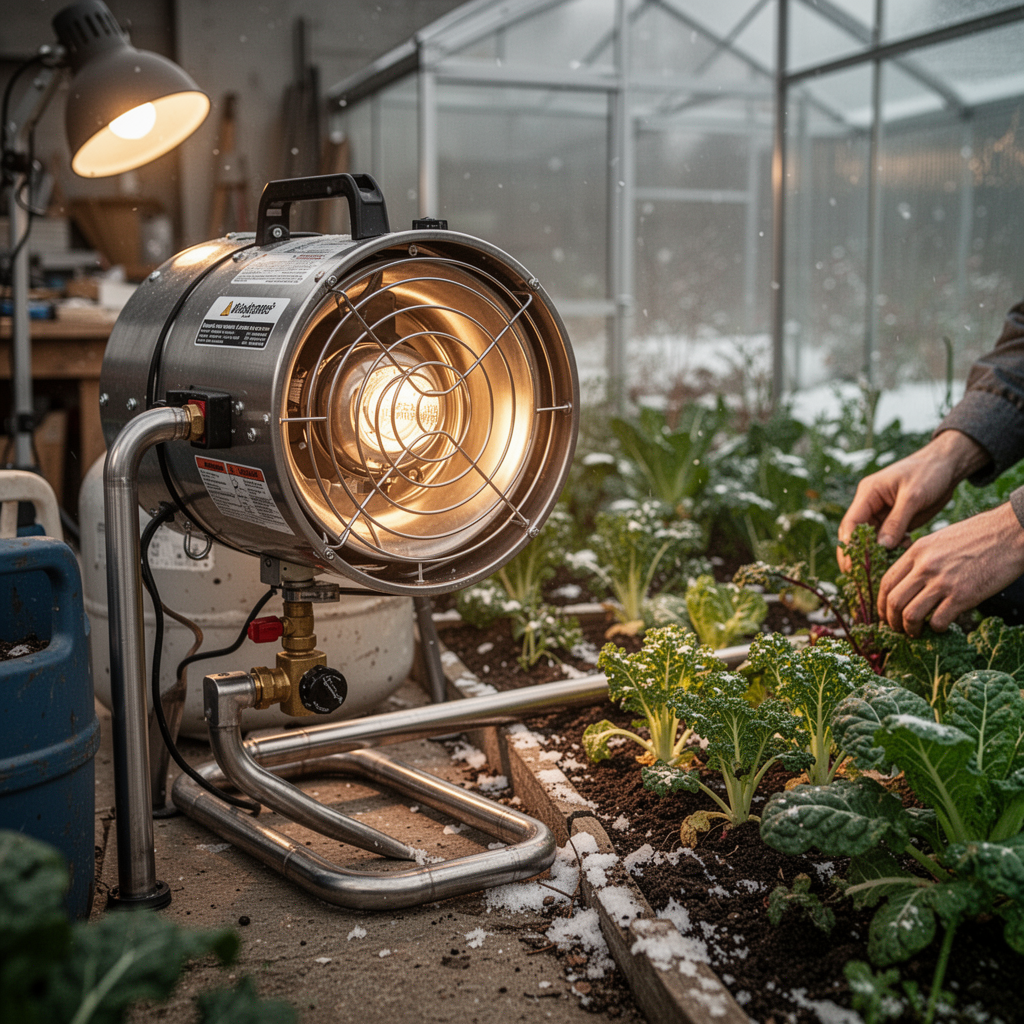
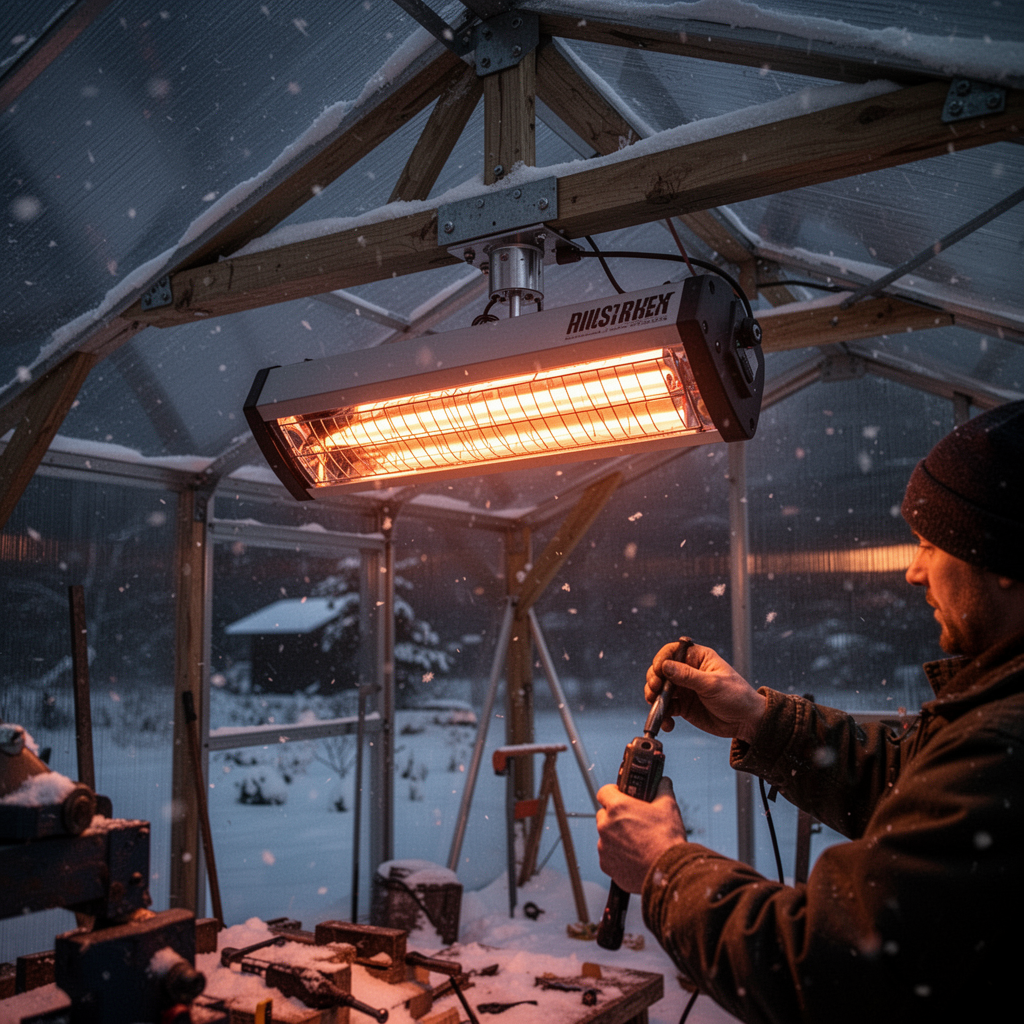
Infrared Heaters
Unlike forced-air systems that heat the air, infrared units heat the objects and plants directly.
- Best for: Protecting specific plant beds or working zones.
- Value: Very efficient for localized heating.
Beginner Tips for Winter Heating
- Seal the Gaps: Before buying a heater, patch any holes in your glazing. Even a tiny crack lets out massive amounts of heat.
- Use Thermal Mass: Place barrels of water (painted black) inside the greenhouse. They will absorb heat during the day and release it slowly at night.
- Bubble Wrap Insulation: Line your greenhouse walls with UV-resistant bubble wrap to create a "double-pane" effect without the cost.
- Avoid Overheating: Keep your plants at the minimum temperature required for their health. Constant high heat causes "leggy", weak growth.
Common Mistakes to Avoid
- Neglecting Airflow: Always ensure your heater provides or is paired with a fan to keep air moving. Stagnant, humid air is a breeding ground for gray mold (botrytis).
- Buying Undersized Units: If you live in a climate where temperatures drop below 20°F, an undersized heater will run 24/7 and likely burn out within a single season.
- Ignoring Power Load: Most greenhouses are on a single circuit. Ensure your heater doesn't trip your breakers by overloading the amperage.
FAQ: Frequently Asked Questions
1. What temperature should I maintain? Most cool-season crops prefer 45°F–55°F at night, while tropicals need 60°F+.
2. Can I use a standard indoor space heater? No. They are not rated for the high humidity of a greenhouse and pose a significant fire and electrical shock risk.
3. Is propane or electric cheaper? It depends on your local electricity rates vs. the cost of propane, but electric is generally safer and requires less monitoring.
4. How do I calculate my BTU needs? Multiply the surface area of your greenhouse by the temperature difference between the outside and desired inside temperature, then multiply by your heat loss factor (usually 1.2 for glass, 0.8 for poly).
5. How often should I clean the heater? Clean the air intake and fan blades every 2–4 weeks to prevent dust buildup, which can cause overheating.
6. Do I need a backup system? If you have expensive, rare plants, a secondary heating source or an alarm system is essential.
7. Where should the heater be placed? Place it away from water sources and ensure it is not blowing directly onto a single plant, which could cause rapid dehydration.
8. Is condensation normal? Yes, but if it is constant, you need more ventilation, not more heat.

Safety Tips
Always place your heater on a non-combustible surface like concrete or pavers. Never drape row covers or shade cloths over a heater, and keep all flammable chemicals (fertilizers, pesticides) stored outside the greenhouse structure. If you are using propane, ensure you have a carbon monoxide detector installed inside the greenhouse—even in ventilated spaces, safety comes first.
Conclusion
Selecting the best greenhouse heater for cold climates is a balance of science and observation. By calculating your BTU requirements, investing in a unit with a reliable thermostat, and practicing good insulation habits, you can extend your growing season well into the winter months. Remember, the best heater is one that maintains a stable environment, protecting your plants from the extremes of the season.
Whether you opt for the convenience of an electric fan heater or the power of a propane system, prioritize safety and efficiency to get the most out of your setup. Ready to turn your greenhouse into a year-round haven? Browse our top recommended heaters on Amazon today to find the perfect match for your garden's needs. Happy growing!